

Photo by Ana Sotelo
Safeguarding Amazonian stingless bees
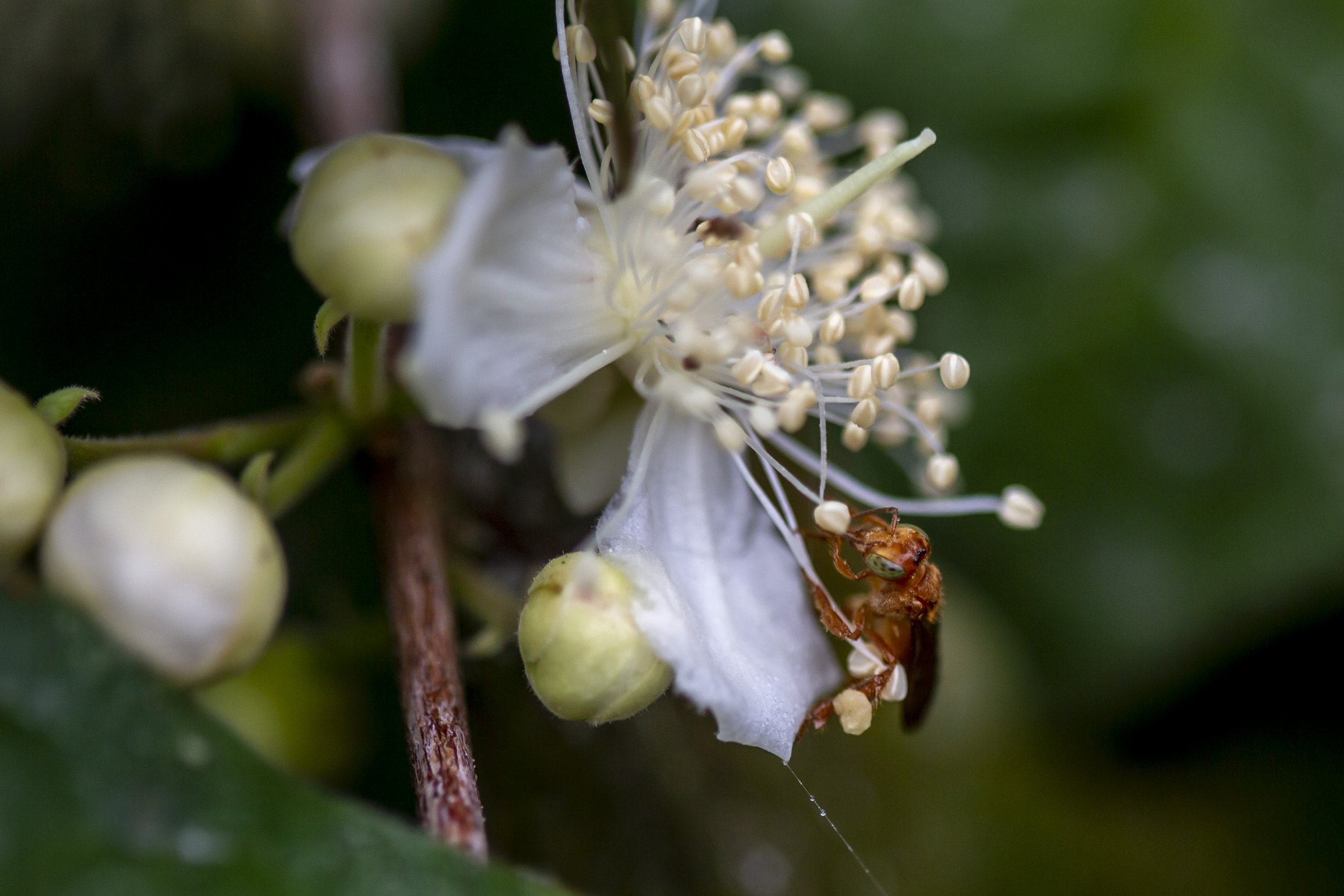
Photo by Ana Sotelo
Stingless bees - the oldest bee on the planet
Amazonian stingless bees are essential to the health of the rainforest and the biocultural heritage tied to indigenous wisdom. Unfortunately, these vital pollinators are disappearing at alarming rates due to lack of knowledge about their conservation status, insufficient legal recognition, overuse of pesticides, uncontrolled deforestation, and pests. Their survival is crucial for regenerating the Amazon and preserving the associated indigenous culture. Historically, indigenous communities have raised and used these bees, passing down their knowledge orally.
Despite their crucial role in pollinating local crops and maintaining ecosystem health, native stingless bees are often overlooked in conservation efforts, which tend to focus on honeybees. The lack of quality metrics for analyzing stingless bee honey, coupled with insufficient information and awareness about these bees, hampers conservation and sustainable development efforts. Current agricultural policies in Peru favor imported honeybees, which can be aggressive toward native bees, further threatening their survival. Excessive pesticide use and rampant deforestation also pose significant risks, disrupting ecological cycles and destroying habitats. Addressing these challenges is essential for the conservation of Amazonian stingless bees and the preservation of the rich traditional knowledge and ecological balance they support.
ONGOING PROJECTS
-
Bee Mapping
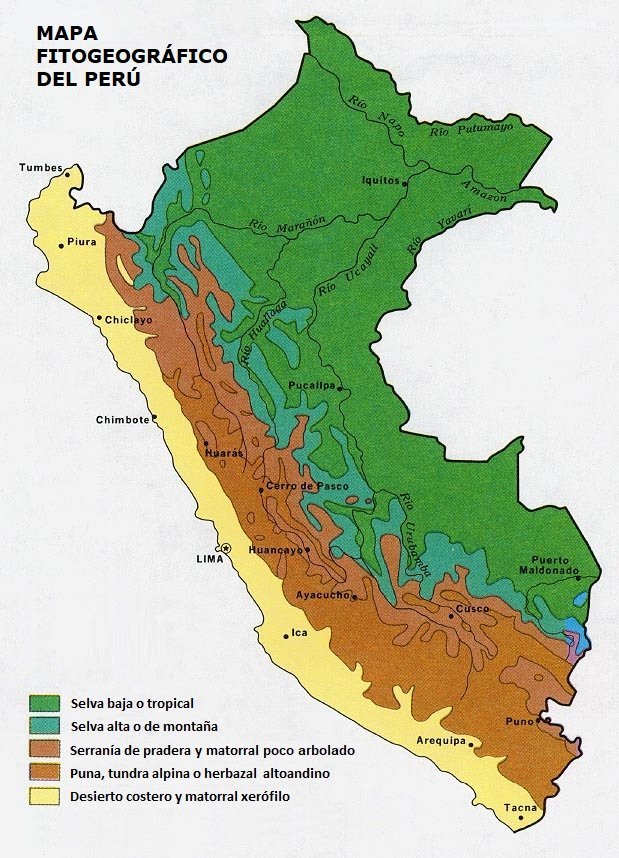
We are developing the first large-scale stingless bee distribution mapping initiative in the Peruvian Amazon.
Building on our published pilot research, this work maps species richness, nesting trees, and habitat distribution to understand population trends and the impacts of deforestation and climate change. The data will guide science-based reforestation practices by identifying key nesting species and forest types critical for bee survival.
This initiative lays the foundation for the first proposed stingless bee conservation corridor in the Pan-Amazon region - beginning in Peru and expanding toward Bolivia, Colombia, and Brazil - strengthening landscape-scale pollinator protection.
-

Biocultural Medicine
We are integrating biochemical research with Indigenous knowledge to understand the medicinal value of stingless bees and their honey.
In collaboration with Dr. Cesar Delgado (IIAP), we conducted the first chemical analysis of stingless bee honey in the Peruvian Amazon, identifying biologically active compounds that support its traditional medicinal uses. This research is now expanding with Universidad Peruana de Ciencias Aplicadas.
We are also are documenting traditional uses, ecological relationships, and emerging threats - elevating ancestral medicine through rigorous scientific validation and co-authorship with Indigenous knowledge holders.
-
Las Meliponicultoras
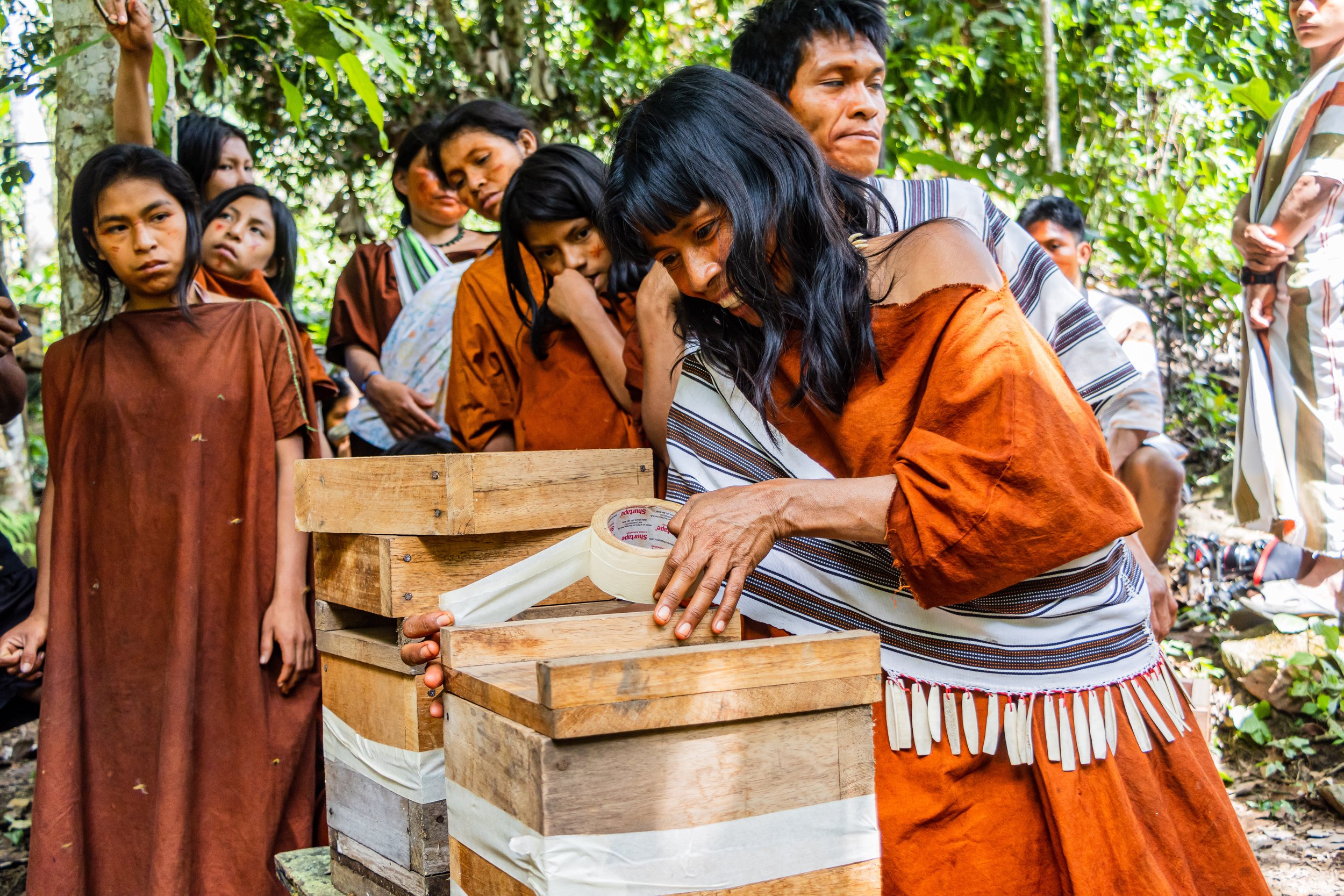
We strengthen sustainable livelihoods while regenerating the Amazon Rainforest.
Through Indigenous-led bee sanctuaries, capacity-building programs - including the first female-focused initiative, Las Meliponicultoras - and the development of the first multilingual beekeeping manual, we integrate scientific guidance with Indigenous practice.
Women, youth, and community leaders are trained in sustainable beekeeping, habitat restoration, and ethical enterprise development, linking pollinator conservation to territorial resilience.
Meliponiculture becomes both ecological infrastructure and economic sovereignty.
-

Policy
Our science and Indigenous-led documentation have informed national policy milestones in Peru.
This includes Law 32235 (2025), recognizing stingless bees as a native species of Peru, and the first municipal legal recognition of the rights of an insect in Satipo and Nauta. Stingless bees are now included in Peru’s National Biodiversity Strategy to 2030, with regulatory frameworks under way.
Science, territory, and Indigenous leadership together are shaping a new governance model for pollinator protection.
Co-led between Amazon Research Internacional, Earth Law Center, Reserva Comunal Ashaninka, EcoAshaninka and Kukama-Kukamiria communities
-

Pollination
In collaboration with the Baldock Laboratory at Northumbria University (UK), we are studying the pollination services of stingless bees in coffee systems.
This research quantifies how native pollinators contribute to crop productivity and agroecological resilience. By measuring the economic and ecological value of stingless bees in agricultural landscapes, we generate evidence to support biodiversity-friendly farming practices and long-term food security.
Pollination research strengthens the case for conserving native bees.
-

Bee Health
In partnership with the Ramsey Laboratory at the University of Colorado Boulder, we are investigating parasites and emerging threats impacting stingless bees.
As climate change and habitat fragmentation intensify, disease dynamics are shifting. This research examines parasite prevalence and ecological stressors to better understand bee vulnerability and inform preventative conservation strategies.
Protecting stingless bees requires not only habitat protection — but proactive understanding of health risks.
Our participation at United Nations COP16
We joined forces with the Ministry of Environment in Peru and local and international partners to create a 3-min film. This video summarizes our joint efforts to safeguard Amazonian stingless bees as a flagship species to preserve the health of Amazonian ecosystems and the transmission of cultural knowledge.
Key partners include Institute of Investigation of the Peruvian Amazon; Earth Law Center; Ashaninka and Kukama indigenous groups
Policy Brief
We developed a Policy Brief advocating for the protection of stingless bees in the Peruvian Amazon. This brief, presented at the United Nations, is soon being published in an indexed journal to offer critical evidence supporting legislative reforms and the recognition of stingless bees' rights, their ecosystems, and the traditional knowledge that sustains them.
Special thanks to the Ministry of Environment for their support.


An Amazonian stingless bee collecting pollen from nearby medicinal plants
Video news in CNN 2025
Photo by Luis Garcia