
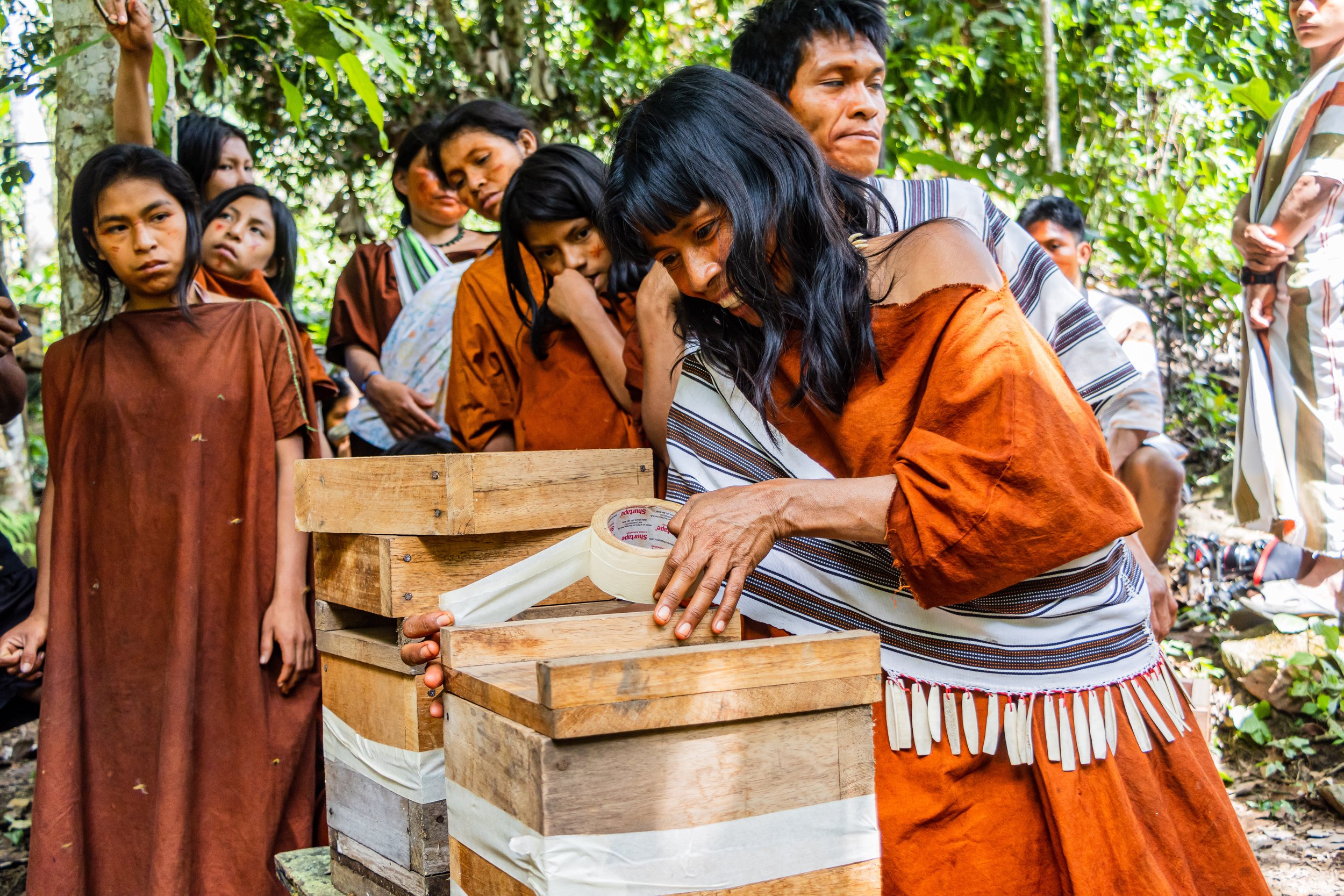
Photo by Luis Garcia
Las Meliponicultoras
Las Meliponicultoras: Women-Led Regeneration with Intergenerational Impact across the Amazon
Mission: A regional network of Indigenous-led stingless bee enterprises that regenerate ecosystems, strengthen women’s leadership, empower youth, and build resilient territorial economies.
Since 2024, Las Meliponicultoras has grown from being the first women-focused stingless beekeeping initiative in the Peruvian Amazon into a regional, intergenerational programme strengthening Indigenous livelihoods, biodiversity, and biocultural resilience across Peru and Bolivia - and expanding beyond.
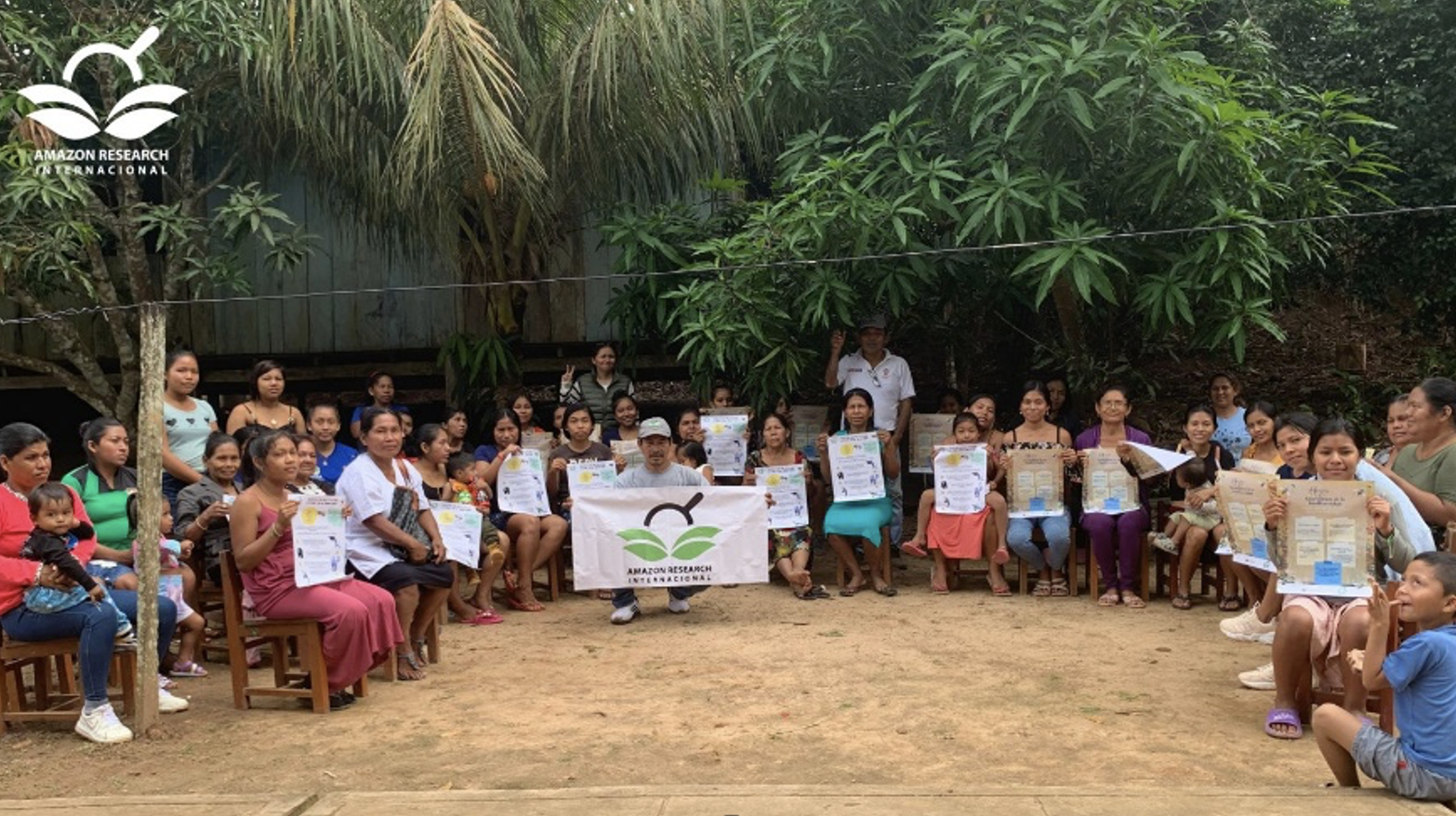

Empowering Women and Youth, Protecting the Amazon
Rooted in women’s leadership, the programme also welcomes men and youth, ensuring that ancestral knowledge, ecological stewardship, and sustainable enterprise are passed forward across generations.
According to the International Labour Organization, Indigenous women in Peru face systemic barriers to education, business development, land access, and financial inclusion. These structural inequalities limit economic independence and deepen vulnerability in rural territories.
Las Meliponicultoras directly addresses these challenges by building community-based ecological enterprises centered on stingless bees - combining technical training, business incubation, leadership development, and market access support.
We are now entering our third year.
“We are not just training beekeepers. We are strengthening women as territorial leaders, entrepreneurs, and guardians of biocultural resilience, ensuring that conservation and livelihood move forward together.”
Impact at a Glance
Through partnerships with EcoAshaninka, Reserva Comunal Ashaninka, Asociación Meliponicultores Región Loreto, Earth Law Center, and key support from Bees for Development, Las Meliponicultoras has grown into a regional network of impact.
✔ 600+ Indigenous participants across 16 communities in Peru and Bolivia
• 65% women
• 10–15% youth
• Ashaninka, Kukama-Kukamiria, Ese Ejja, Quechua, and Aymara peoples
✔ 11 stingless bee sanctuaries established across three regions - expanding toward 16
✔ 350+ sustainable hives installed, strengthening food security, pollination, and income generation
✔ 1,000+ native medicinal plants restored, supporting bee health, ecosystem resilience, and traditional medicine
✔ Four Indigenous schools engaged
• First Ashaninka primary school leading youth beekeeping
• First Kukama secondary school integrating stingless bees into student learning
• 250+ students and 10+ educators participating
• Curriculum formalization underway with partners
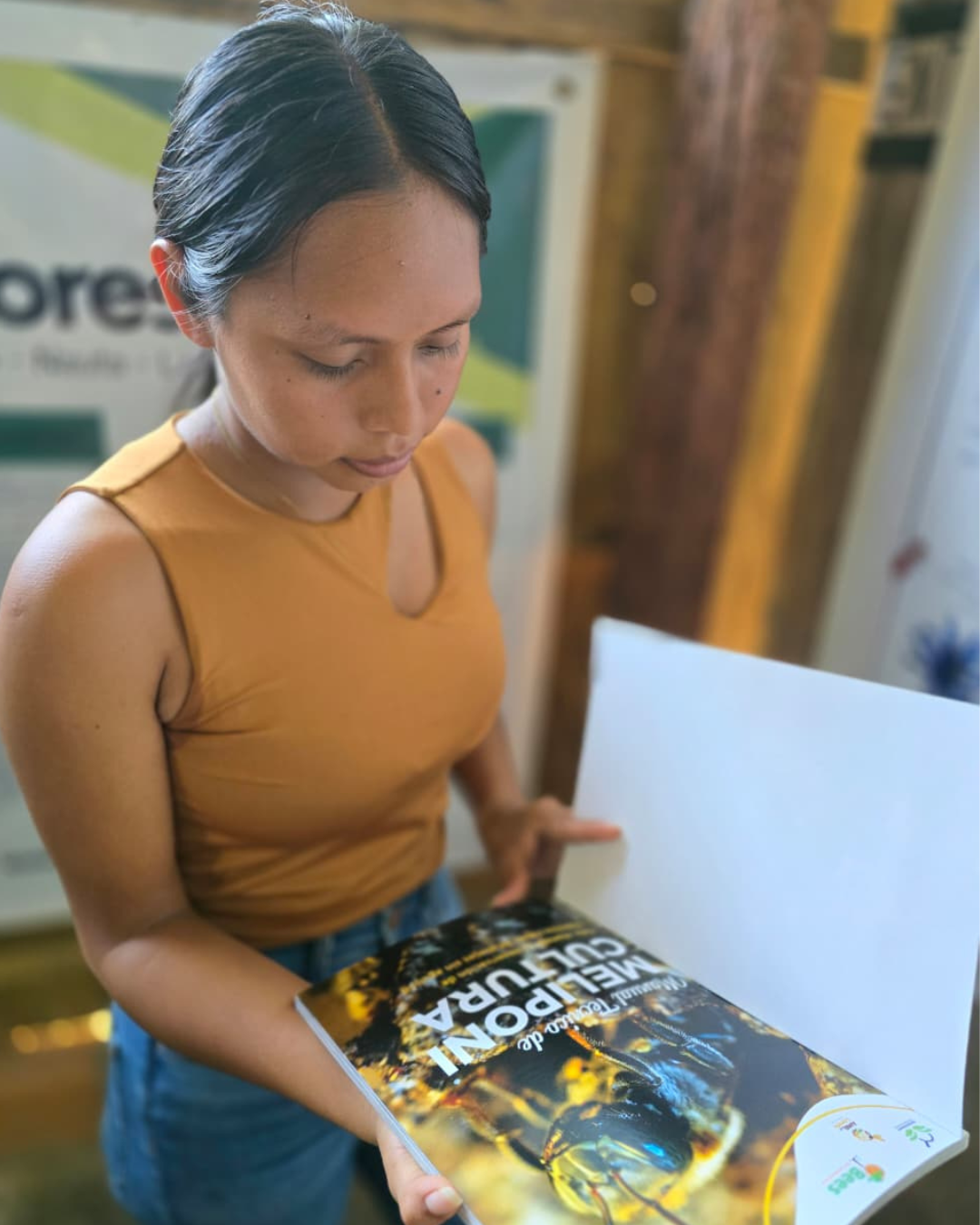
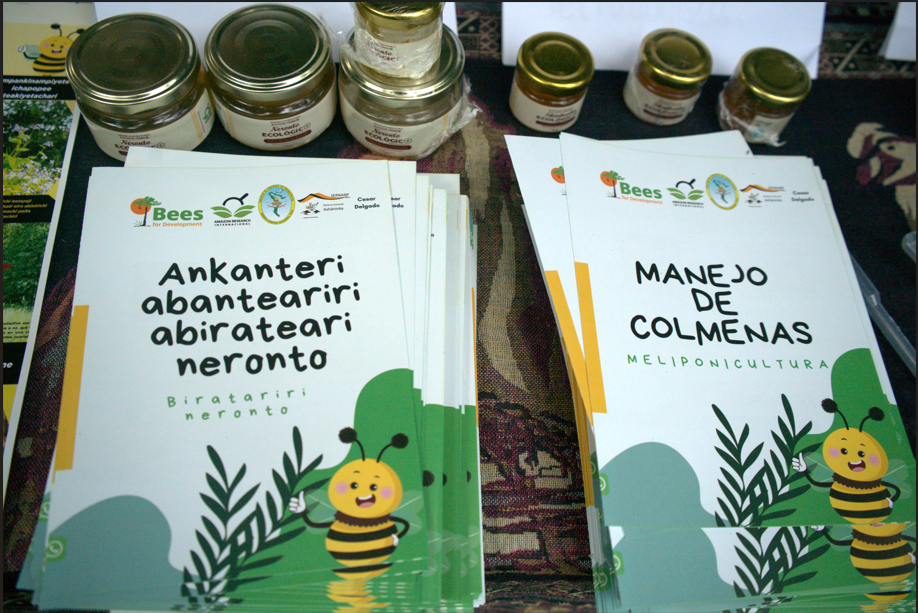
✔ First multilingual Stingless Beekeeping Manual launched
• Spanish
• English
• Ashaninka Central
• Kukama
Co-written by Indigenous beekeepers and scientists, deposited in Peru’s National Library
✔ First inter-territorial cultural exchange completed
Ashaninka beekeepers visited Kukama beekeepers in a knowledge-sharing gathering highlighted internationally by CNN (Dec 2025).
Each stingless bee sanctuary protects at least 20,000 square meters of rainforest - a conservative estimate - strengthening pollination networks, soil regeneration, water cycles, fruit production, medicinal plant availability, and intergenerational ecological education.
Beyond the families directly managing the hives, these sanctuaries create ripple effects across entire territories.
A Living Ancestral Practice
Meliponiculture - the keeping of stingless bees - is not a new invention. It is an ancestral practice embedded in Amazonian lifeways.
Yet deforestation, extractive pressures, and limited economic support have caused its decline.
Las Meliponicultoras revitalizes this tradition as both:
• A biodiversity strategy
• A women-led enterprise pathway
• A climate resilience mechanism
• A cultural continuity framework
By restoring bee habitats and strengthening territorial stewardship, the programme contributes to ecosystem regeneration while reinforcing Indigenous knowledge systems.
“The honey produced by stingless bees is valued not only for its unique taste but also for its nutritional and medicinal properties”


Regional Expansion
In 2025, the programme scaled into Bolivia:
• Ese Ejja semi-nomadic women in Eyiyoquibo
• Quechua and Aymara women across two Amazonian communities
Expansion is now underway across the Peruvian Amazon, Bolivia and Colombia.
Beyond Beekeeping: A Model for Sustainable Development
Las Meliponicultoras integrates ecological, economic, educational, and policy dimensions into one coherent model.
🌱 Environmental Regeneration
Restoring degraded areas through medicinal plant reforestation and pollinator-friendly landscapes, aligned with global biodiversity targets including the Kunming-Montreal Global Biodiversity Framework.
📜 Biocultural Governance & Rights of Nature
Supporting Indigenous leadership in advancing pollinator protection frameworks and strengthening Community Biocultural Protocols.
🌍 Women-Led Enterprise Networks
Supporting the formalization and development of Indigenous-led associations, and building a national network in Peru to facilitate fair trade, product diversification, and cooperative growth.
🎓 Intergenerational Education
Launching youth-led beekeeping initiatives in Indigenous schools and developing certified training pathways and educational kits for a Train-the-Trainers expansion.
This integrated approach aligns with the Sustainable Development Goals, particularly SDGs 5 (Gender Equality), 13 (Climate Action), and 15 (Life on Land).
Stories of Change & Territorial Leadership
In 2024, three Indigenous women received seed funding to scale their enterprises. Today, that early investment has evolved into broader association building and cooperative strengthening.
Kukama leadership has played an active role in advancing pollinator protection frameworks, linking sustainable enterprise to rights-based conservation approaches.
When Indigenous women stand at the center of ecological enterprise, territories shift — economically, culturally, and politically.
“Stingless bees are not just part of the ecosystem—they are integral to our culture and environment. Their honey holds medicinal value, and their survival ensures the balance of our forests”

“For the Kukama people, stingless bees were not born to harm, but to teach. They are messengers of a peaceful life and guardians of the balance between the river, the fields, and the home.”
National and International Recognition
Las Meliponicultoras has been:
Highlighted at COP16 by Peru’s Ministry of Environment
Featured internationally, including CNN 22025
Contributing to the recognition that led to the Spring Lush Prize (2025)
Recognized through the Order of Merit from Peru’s Ministry of Women and Vulnerable Populations

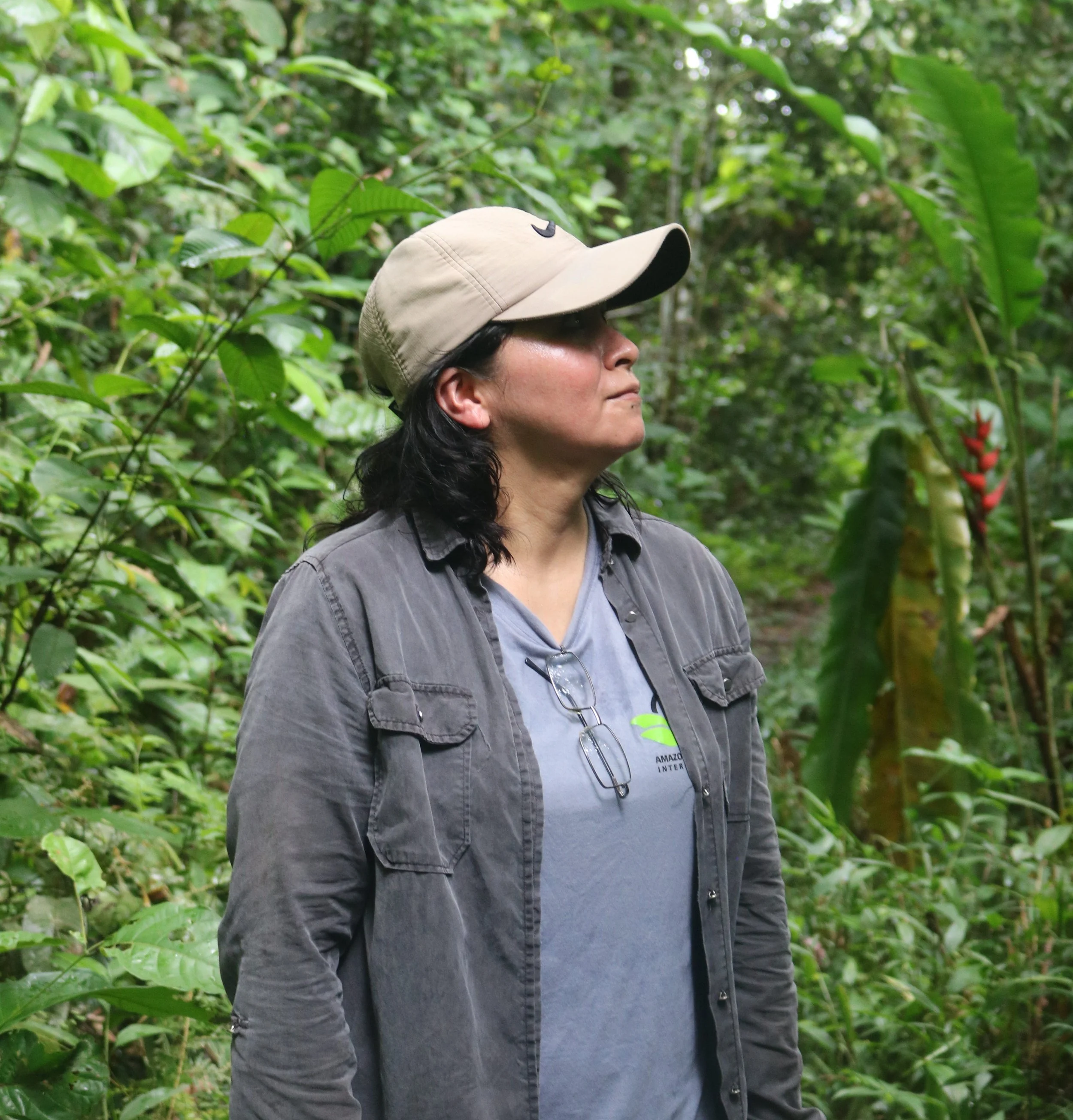
Photo by Brenda Rivas
A Future Built By Women, for the Amazon
As we enter our third year, we aim to:
• Reach 1,000 participants across 20 communities
• Support 1,000 sustainable hives
• Formalize certified training pathways
• Expand inter-territorial cultural exchanges
• Strengthen fair trade networks and value chains
• Develop a Train-the-Trainer program


Press:
A 4-min video with CNN “Saving the Amazon’s Stingless Bees”: Link
Inside Climate News – Defending Stingless Bees in the Peruvian Amazon: Link
A 3-min summary video presented at the United Nations Conference COP16 in partnership with the Ministry of Environment: Link
Fondo Socioambiental del Perú – Comunidades Asháninkas de la selva central impulsan la crianza de abejas sin aguijón en la selva central: Link
Ojo Público. Asháninkas del VRAEM defienden sus tierras y las abejas sin aguijón: Link
Support & Partnerships
2024: Proinnovate, Fondo Socioambiental
2025: Bees for Development
We are deeply grateful for partners who believe in female-led leadership to build ecosystem resilience and sustainable livelihoods.