

Rights of Nature
Advancing Science-Based, Indigenous-Led Legal Protection for Amazonian Life
We are establishing a science-based, Indigenous-led model for Rights of Nature that can be adapted to protect species and ecosystems across the Amazon and beyond
Why Rights of Nature
For Indigenous peoples of the Amazon, forests, rivers, insects, and plants are not resources — they are living relatives. The Rights of Nature movement reflects this worldview in legal form: recognizing that ecosystems and species have intrinsic rights to exist, regenerate, and fulfill their ecological roles.
In a time of accelerating biodiversity loss, legal systems must evolve to reflect ecological reality. Science confirms that species are interdependent and essential to ecosystem stability. Indigenous knowledge affirms that life forms are subjects, not objects.
Rights of Nature is where these two frameworks meet.
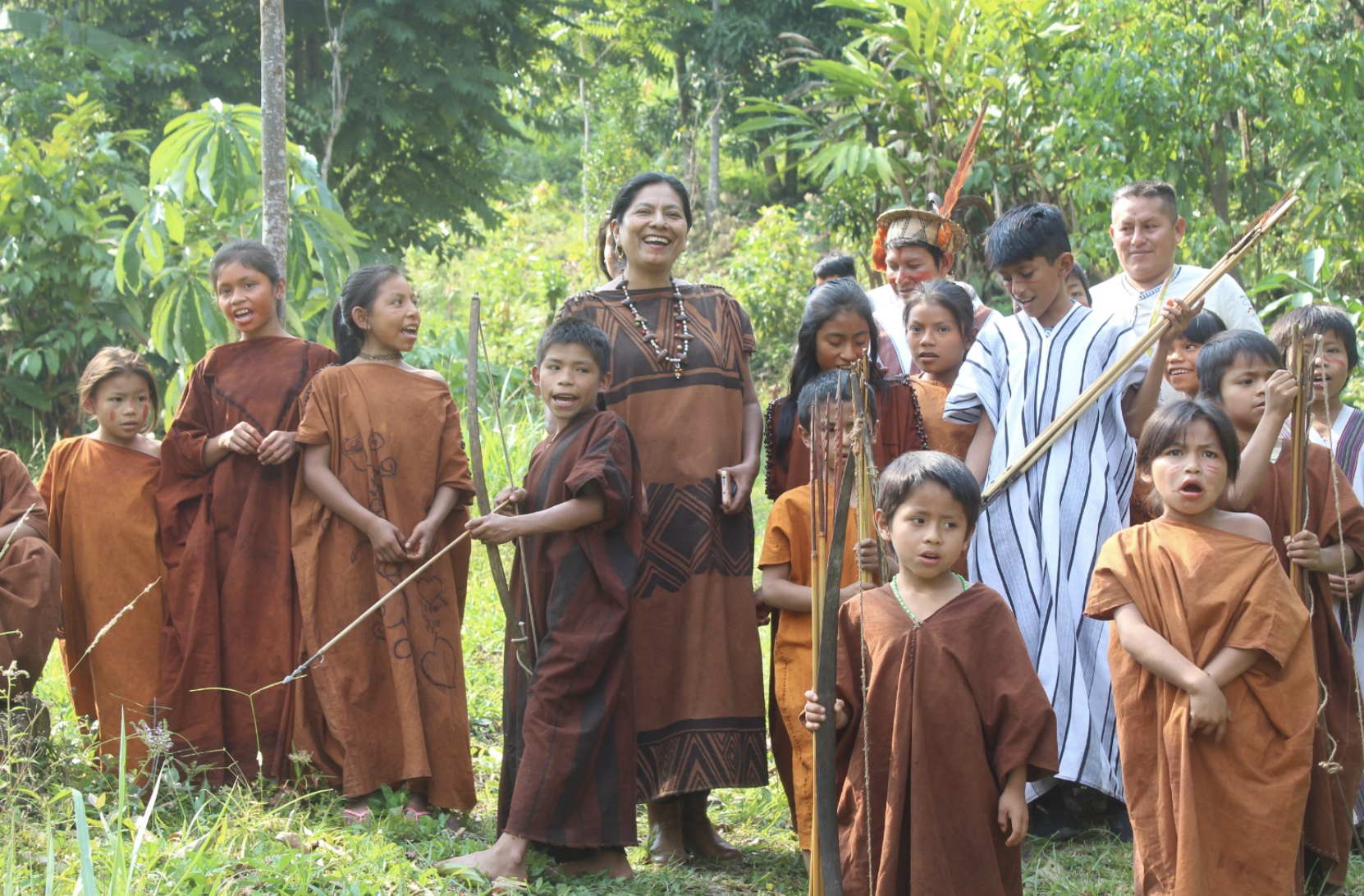
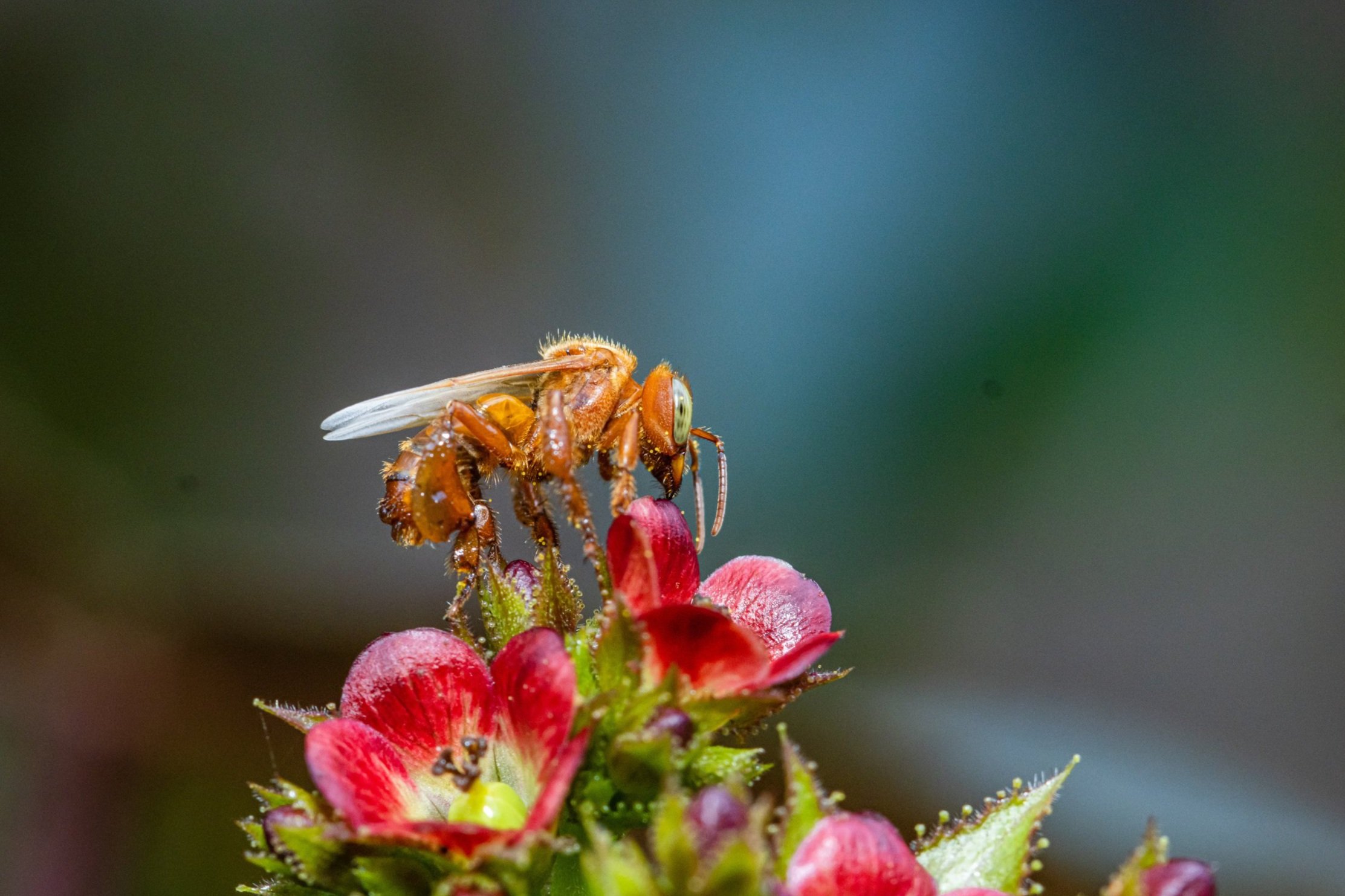
A National Milestone: Law 32235 (Peru)
In late 2024 — approved January 9, 2025 — Peru enacted Law 32235, marking a historic turning point.
For the first time, stingless bees were formally recognized as a native species of Peru, establishing a national legal foundation for their protection.
This milestone was informed by a multi-year body of scientific research and cultural documentation developed in close collaboration with Indigenous leadership across the Amazon.
A coalition of partners — Amazon Research Internacional (ARI), Earth Law Center, EcoAshaninka, Reserva Comunal Ashaninka, Asociación de Meliponicultores Región Loreto, and Ashaninka and Kukama leadership — contributed ecological evidence, territorial knowledge, and community perspectives highlighting:
The role of stingless bees in forest regeneration and pollination networks
Their contribution to Indigenous livelihoods and local economies
Their cultural and medicinal significance across Amazonian territories
The growing threats posed by deforestation, habitat fragmentation, and climate instability
The law reflects a convergence of scientific evidence and Indigenous knowledge systems — recognizing that pollinators are foundational to ecosystem stability and territorial well-being.
Early impacts already include:
✔ Inclusion of stingless bees in Peru’s National Biodiversity Strategy to 2030
✔ Development of regulatory implementation frameworks
✔ First national funding directed to stingless beekeepers in protected areas
✔ Formal discussions on strengthening native bee conservation within national parks
This law established the national baseline.

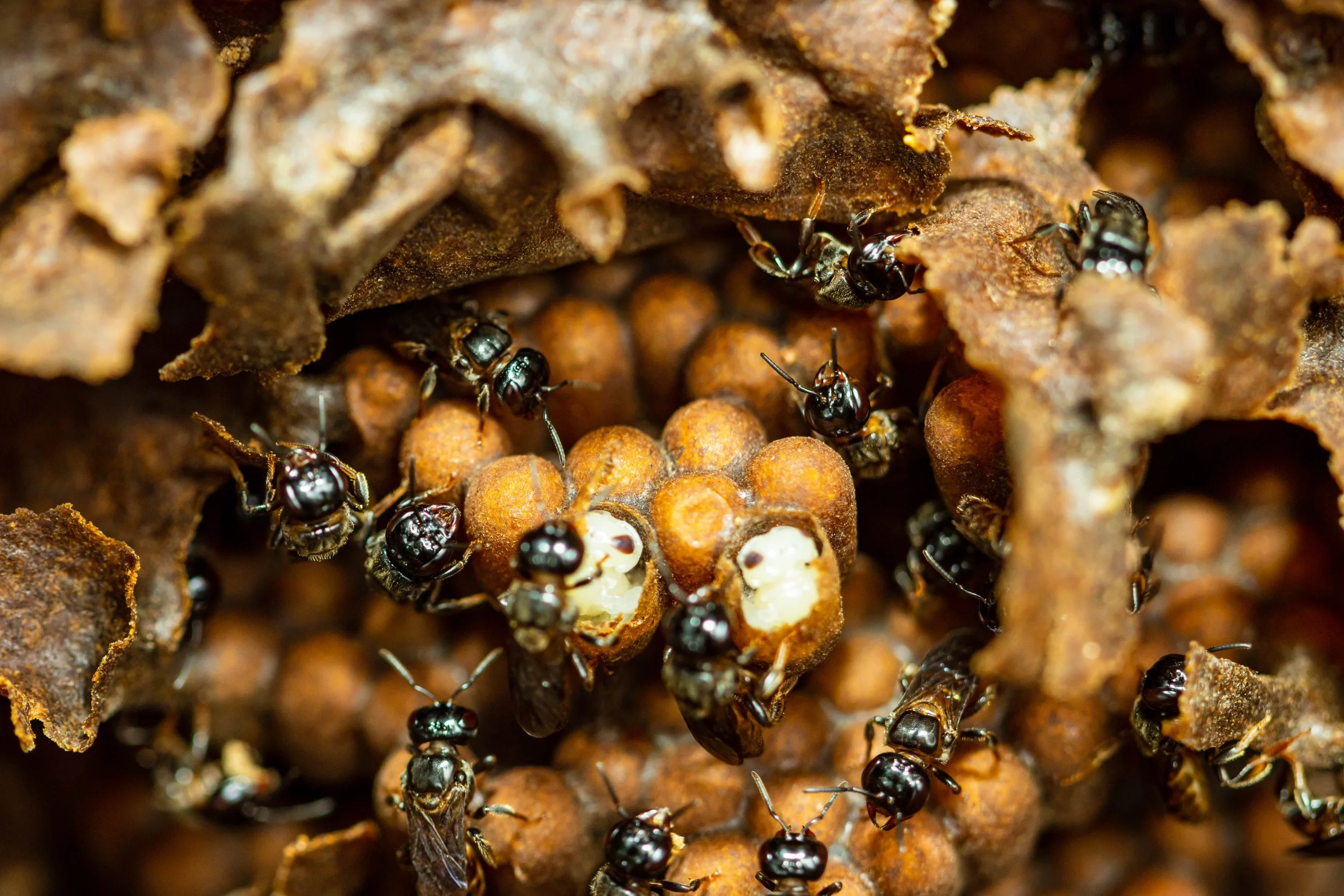
“It shows how modern science and ancestral wisdom can come together to create real conservation solutions”

The Foundation Behind the Laws: Evidence, Education & Indigenous Leadership
These legal milestones were not spontaneous. They were built through sustained scientific research, cultural documentation, and Indigenous-led engagement across multiple territories.
Over the past years, this work has included:
Identifying critical data gaps in national pollinator knowledge and contributing new ecological research on stingless bee distribution, habitat preference, and vulnerability
Co-producing field research with Indigenous communities and national and international scientific partners
Documenting biocultural relationships between stingless bees, livelihoods, and traditional medicine
Training and capacity-building with 600+ Indigenous participants across three regions, with strong participation of women and youth
Engagement with Indigenous schools, educators, municipal leaders, protected area authorities, and regional stakeholders
By combining ecological data, territorial knowledge, and community governance structures, this work strengthened the evidentiary basis for legal recognition.
This groundwork strengthened local readiness, informed decision-makers, and ensured that legal recognition was anchored in both ecological evidence and Indigenous governance.
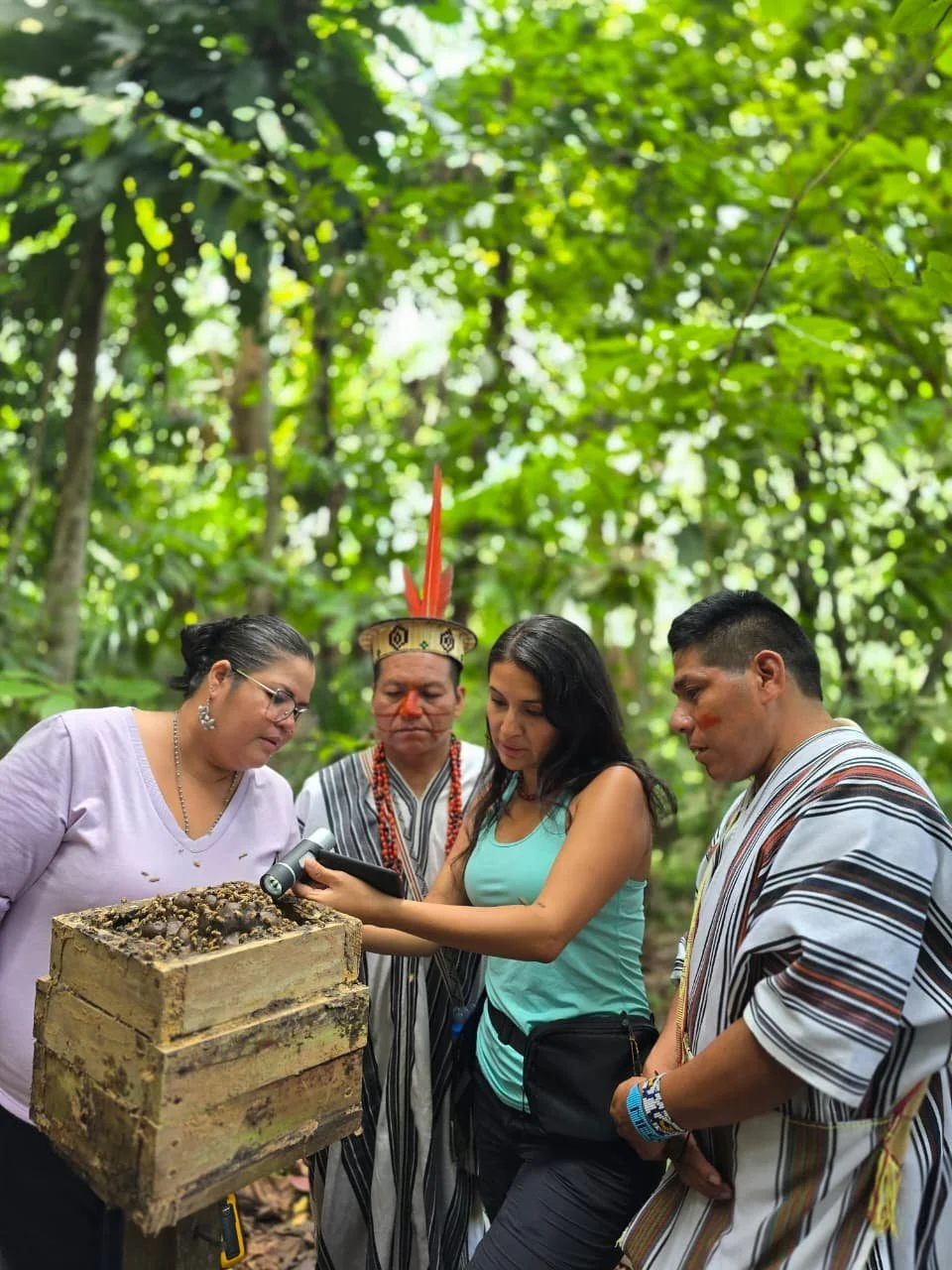

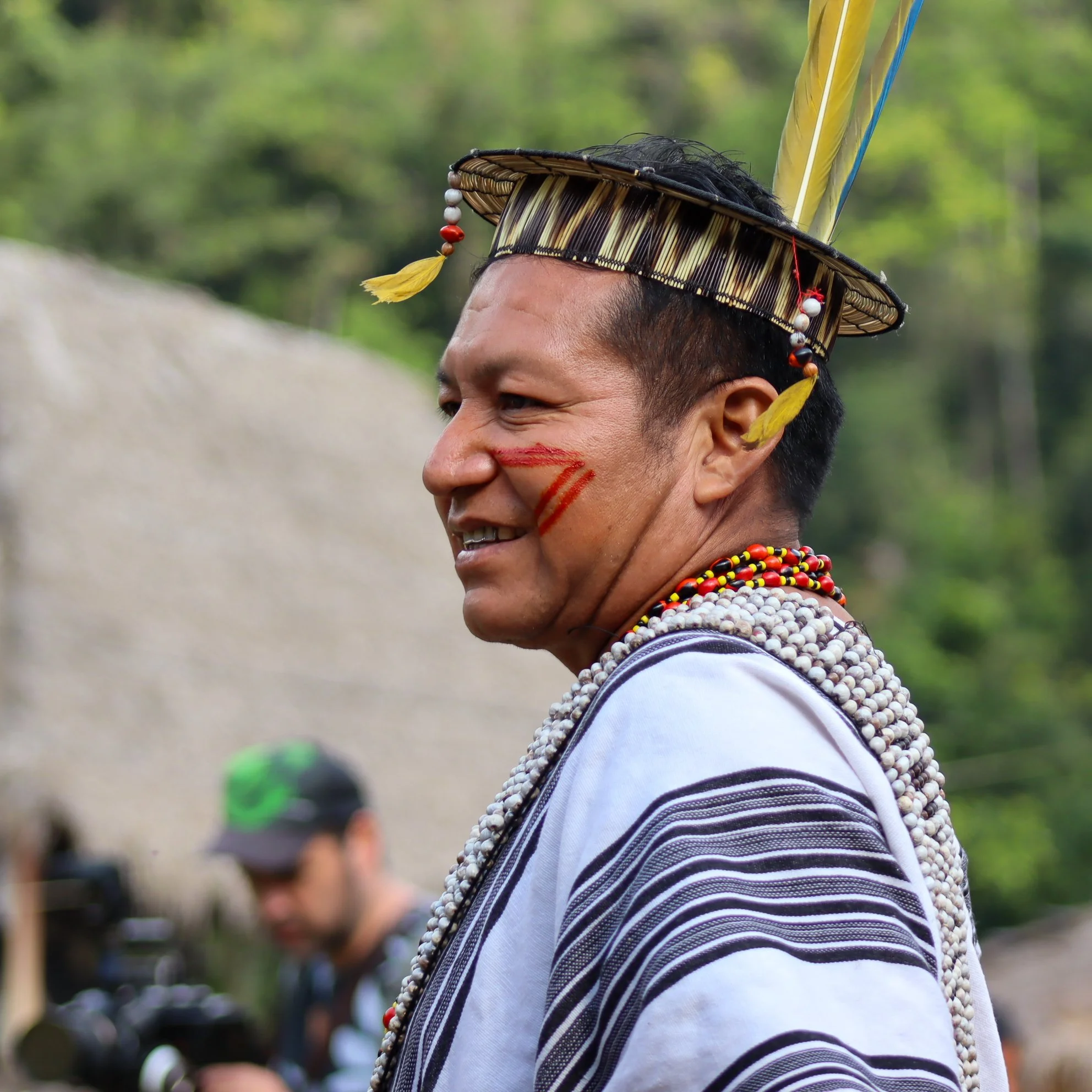
“The Neronto (Melipona eburnea) has much work to do. For us, it is vital for society and for Indigenous Peoples.”
A Global First: Legal Rights of an Insect (2025)
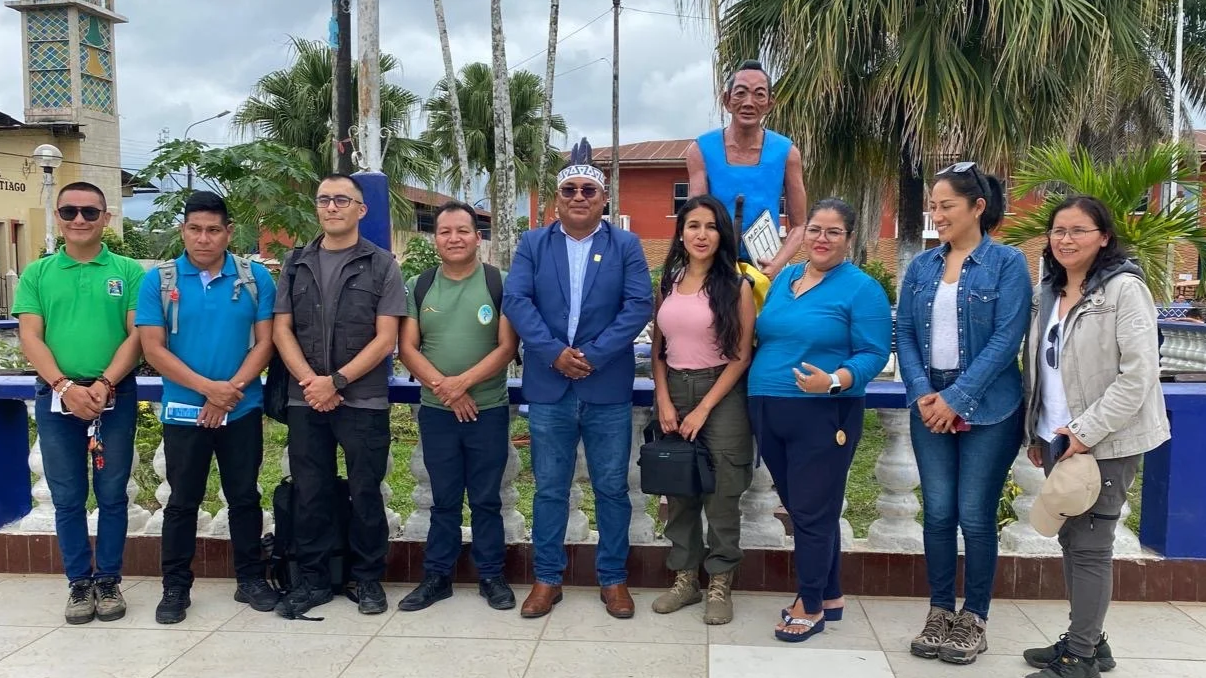
Building on the national framework, in 2025 two municipalities — Satipo (Junín) and Nauta (Loreto) — took a historic step further.
They formally recognized the legal rights of stingless bees and their ecosystems, marking the first known legal recognition of the rights of an insect anywhere in the world.
These rights include:
The right to exist and maintain healthy populations
The right to ecologically sustainable climatic conditions
The right to a healthy, contamination-free environment
The right to native biodiversity free of invasive threats
The right to maintain and regenerate their ecological functions
The right to habitat restoration
The right to legal representation
These ordinances reframed stingless bees not only as protected species — but as rights-bearing entities, setting a legal precedent with global relevance.
The municipal decisions were informed by the same body of scientific evidence, cultural documentation, and territorial dialogue that supported the national law. Acting within their jurisdiction, local governments extended protection beyond species recognition toward rights-based ecological governance.
Amazon Research Internacional coordinated research, documentation, and multi-stakeholder engagement that contributed to the development of these ordinances.
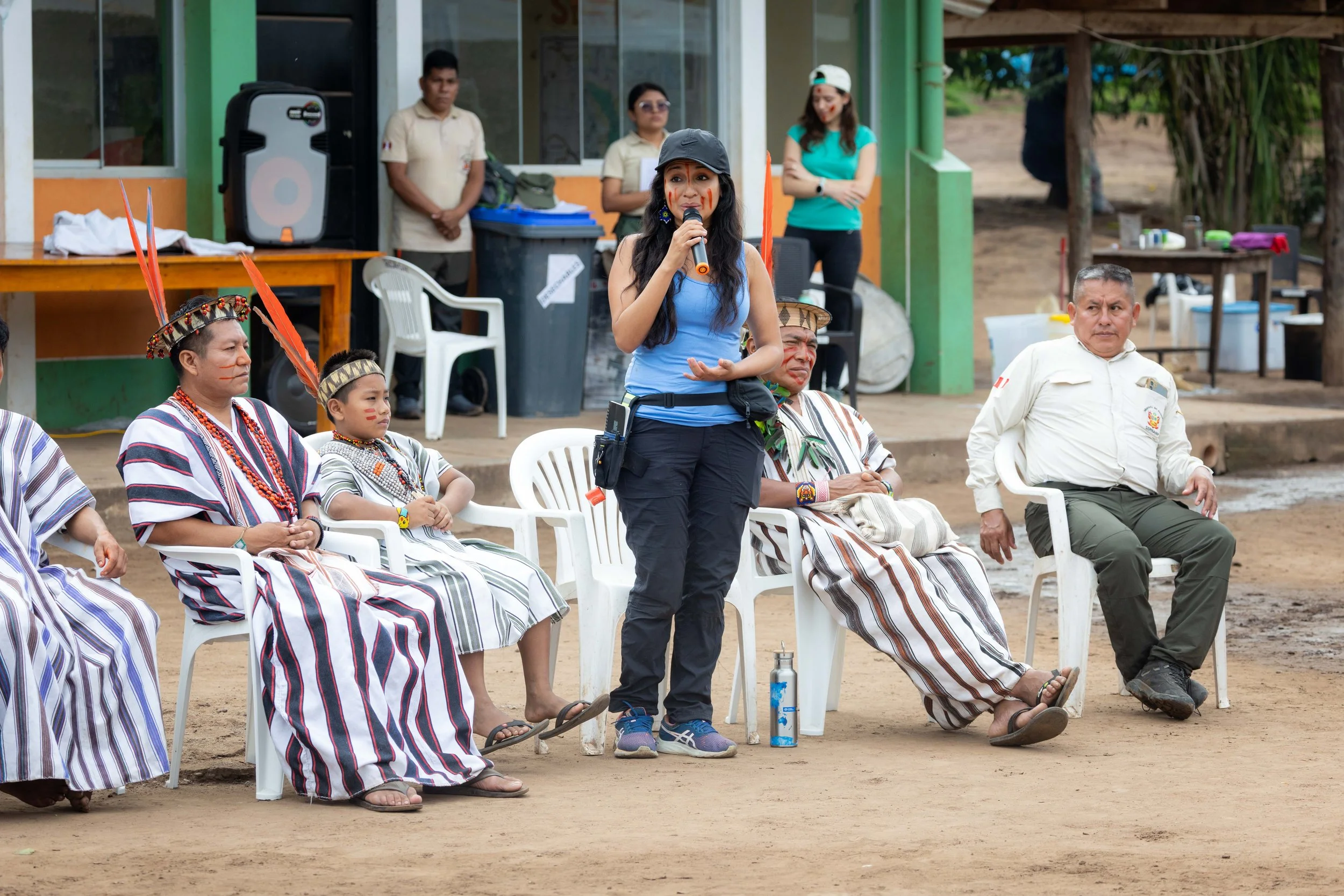
“This ordinance marks a turning point in how we understand and legislate our relationship with Nature”

Global Resonance
The recognition reached over 100 million people through international media coverage, including:
And multiple global outlets
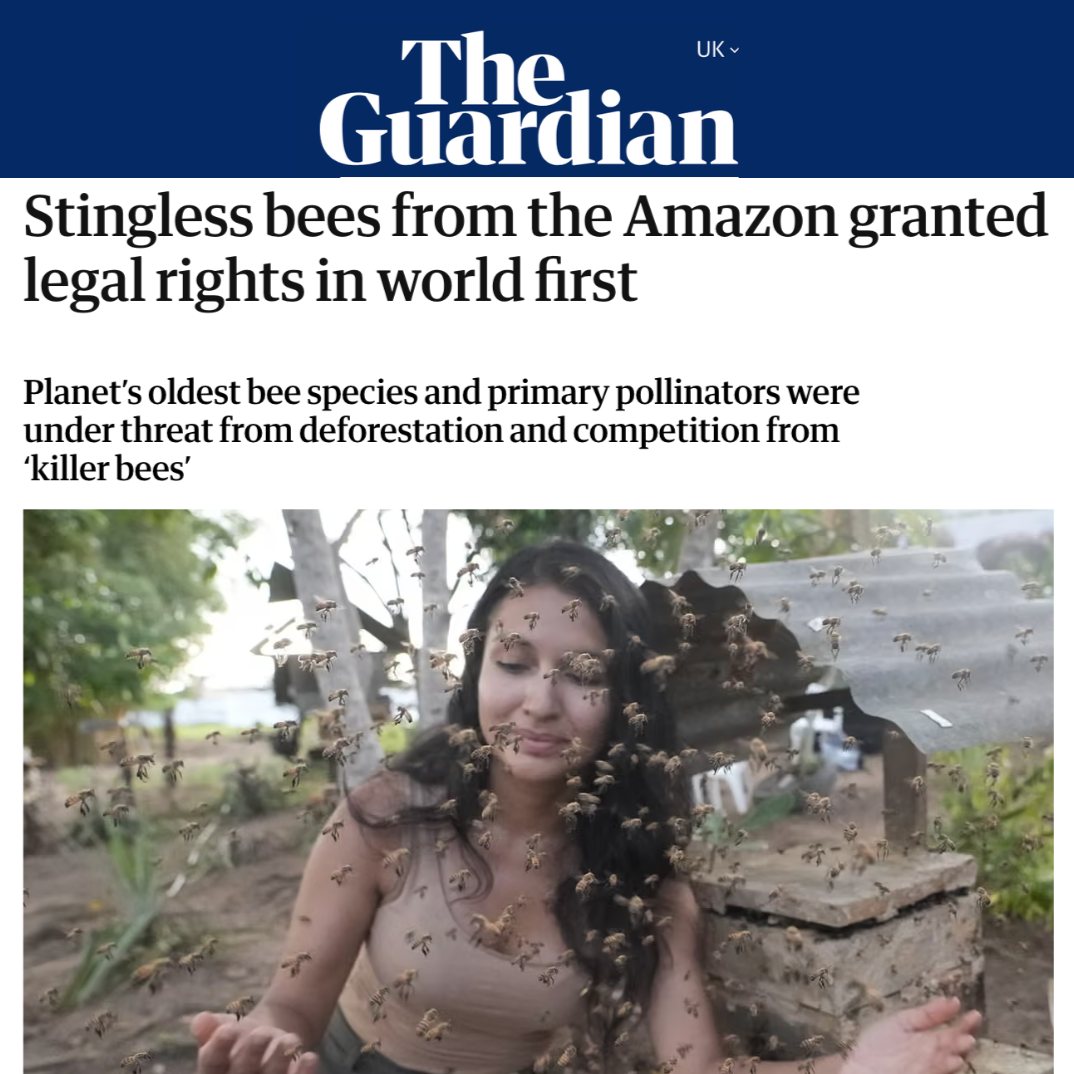
A joint campaign with Avaaz and BeeWild gathered 380,000+ signatures, positioning stingless bees as a global symbol for wild bee protection.
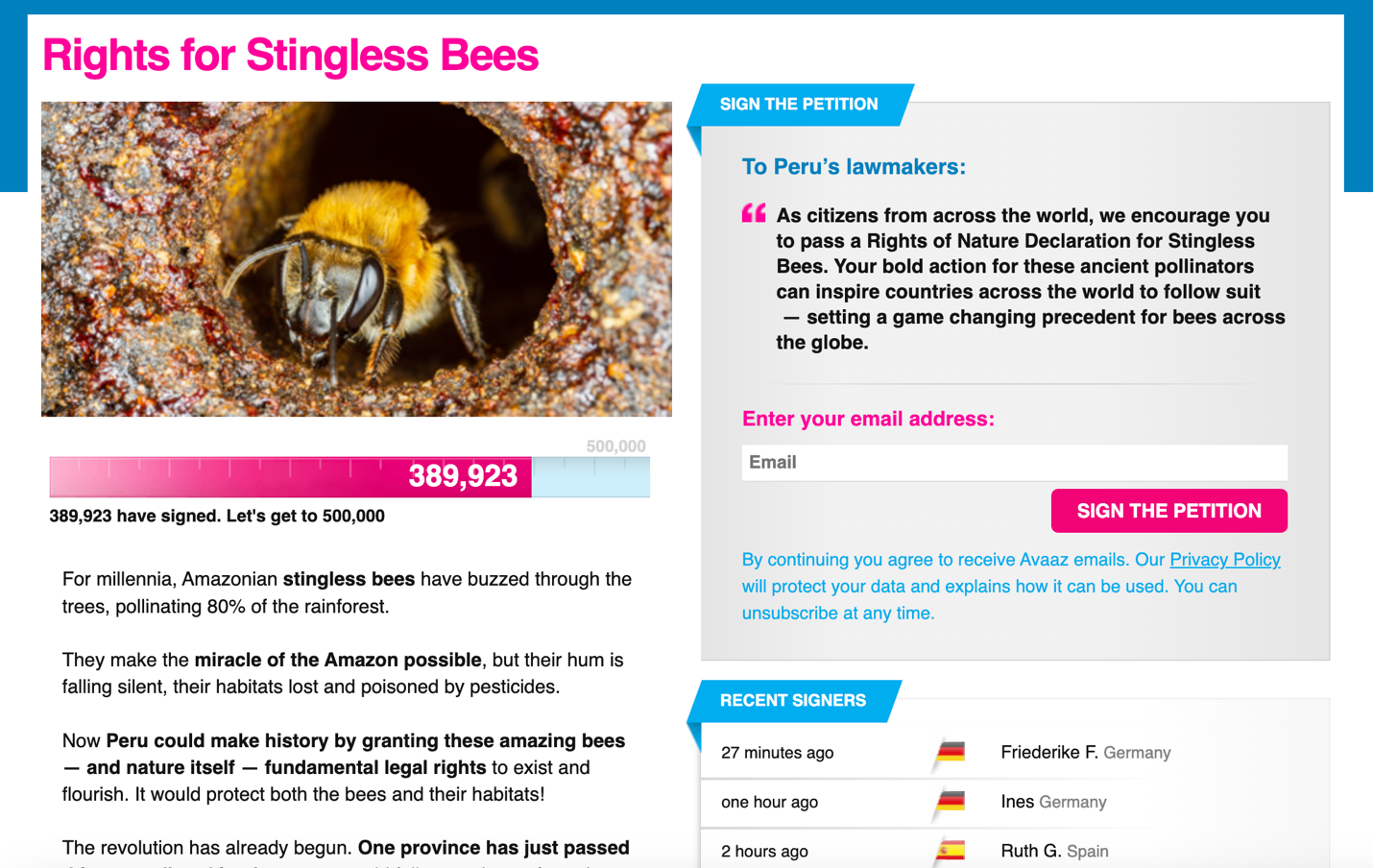
What began as a local legal initiative has become an international reference point.
Beyond Bees: A Framework for Amazonian Life
This work is not limited to one species.
It establishes a science-based, Indigenous-led legal framework that can extend to:
Other pollinators
Keystone species
Forest ecosystems
River systems
Biocultural landscapes
The long-term vision is to expand Rights of Nature protections across Amazonian life forms, grounded in both ecological evidence and Indigenous governance.
Next Phase: Implementation & Expansion
The work now shifts from recognition to implementation.
Next steps include:
Supporting municipalities in developing regulatory and implementation plans
Providing scientific and cultural evidence to guide enforcement
Strengthening community-led monitoring
Advancing fair-trade frameworks that align livelihood with rights-based conservation
Expanding the model internationally (interest emerging from Bolivia, Ecuador, Colombia, the Netherlands, the U.S., and the UK)
This is not symbolic law. It is structural transformation.

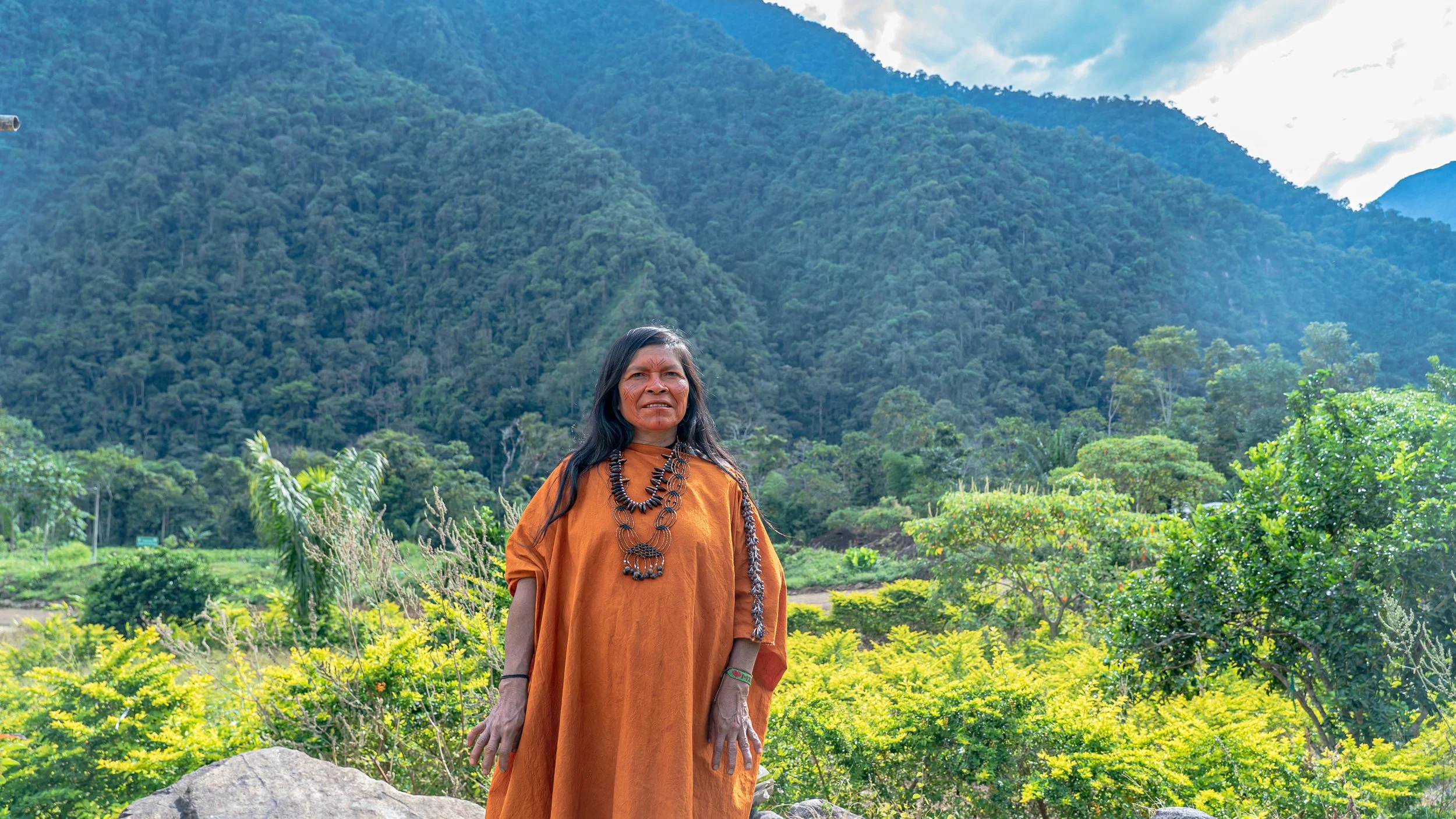
A Legal Shift Rooted in Relationship
Rights of Nature is not an abstract concept.
It is the legal expression of an Indigenous worldview long practiced in the Amazon: that life is interconnected, and that protection must extend beyond ownership to guardianship.
By grounding legal recognition in both science and Indigenous leadership, this model offers a pathway toward ecological justice in the 21st century.
Support and Partnerships
We are grateful to the following organizations whose collaboration and support have contributed to this work:
For Nature
United Nations Programme BioBridge
On the Edge
Bees for Development
Wild Labs