Medicinal gardens
Medicinal Gardens for Biocultural Regeneration
An Indigenous-Led Model for Ecological Restoration, Traditional Medicine, and Intergenerational Knowledge Renewal
Mission:
To restore degraded rainforest landscapes through Indigenous-led medicinal gardens that regenerate ecosystems, revitalize traditional knowledge, strengthen community health, and build climate-resilient territorial futures across the Amazon.
Why This Matters Now
Across the world, traditional ecological knowledge is declining at alarming rates. The Intergovernmental Science-Policy Platform on Biodiversity and Ecosystem Services (IPBES) has identified biocultural diversity loss as one of the major drivers of ecosystem degradation. Simultaneously, the World Health Organization estimates that approximately 80% of the global population relies in part on traditional medicine for primary healthcare.
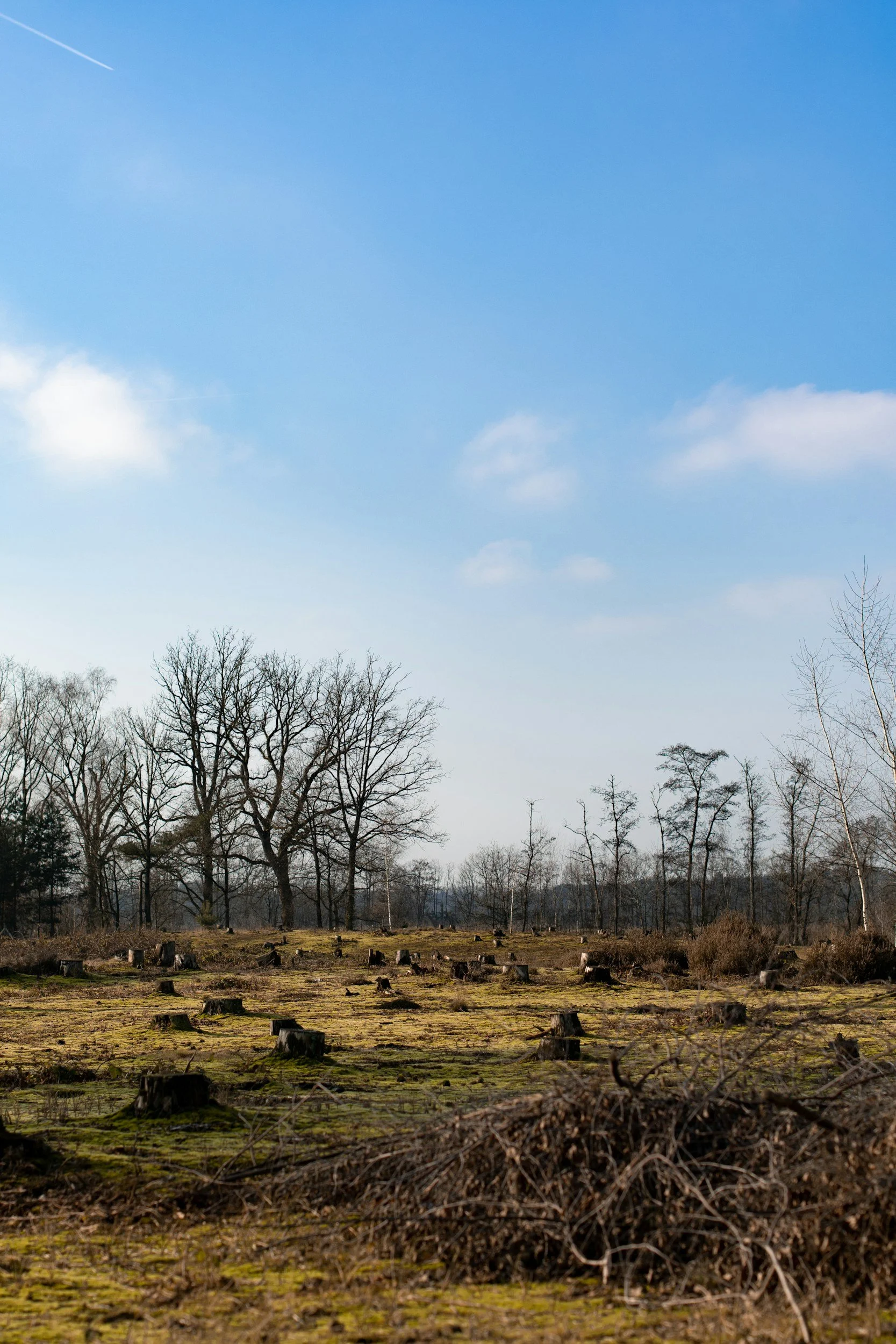
In the Amazon, medicinal plants have sustained Indigenous communities for generations — providing medicine, food, dyes, animal nutrition, and cultural identity. Yet accelerating deforestation, soil degradation, climate variability, and extractive pressures are eroding both forest ecosystems and the knowledge systems tied to them.
Medicinal Gardens for Biocultural Regeneration was launched in 2025 to respond to this dual crisis:
Ecological degradation
Loss of ancestral plant knowledge
The programme restores both landscapes and memory.

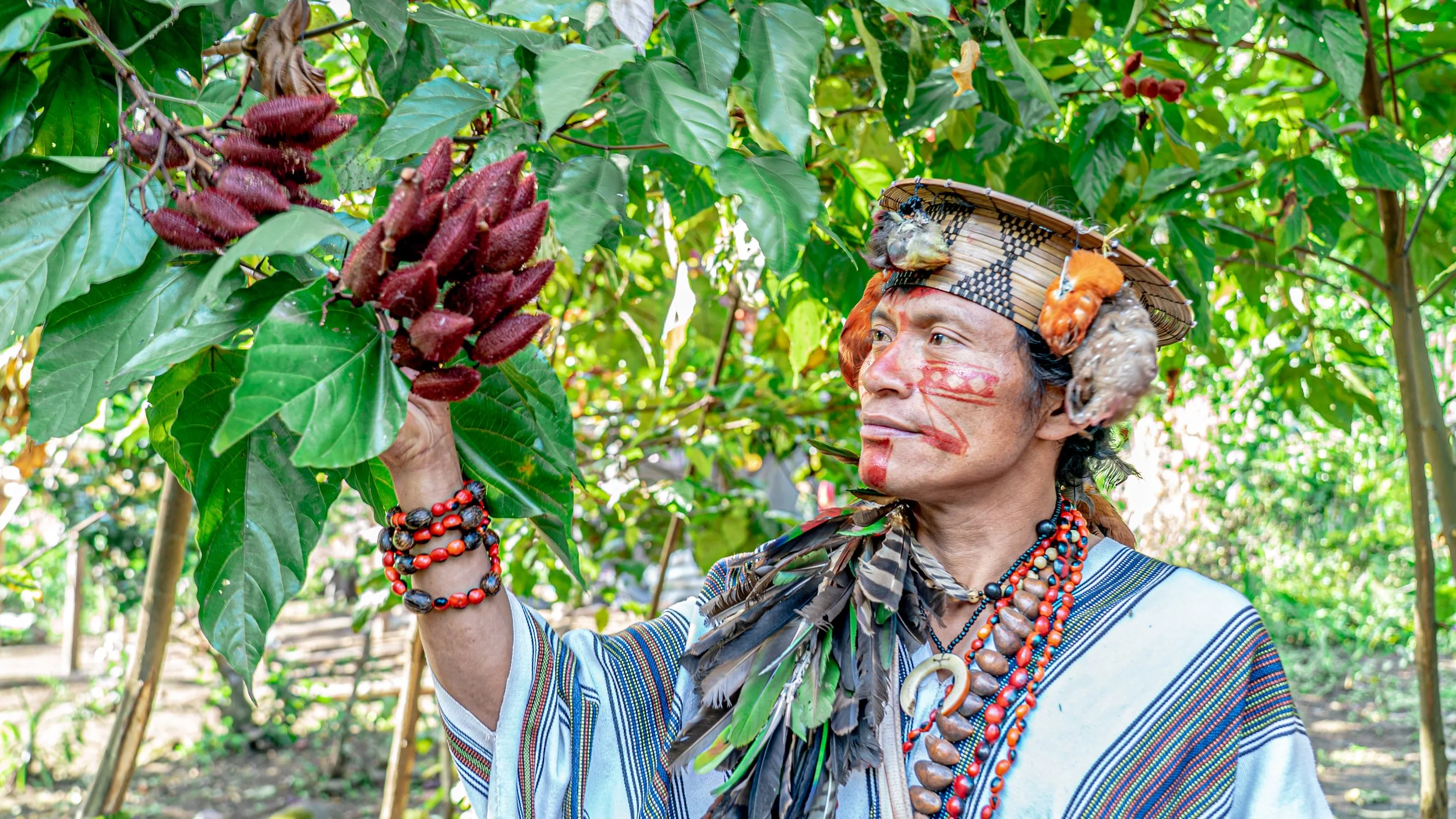
“We are committed to restoring the Amazon Rainforest to strengthen the connection between people and their natural environment.”
A Triple-Benefit Restoration Model
Each medicinal garden is designed to generate interconnected benefits:
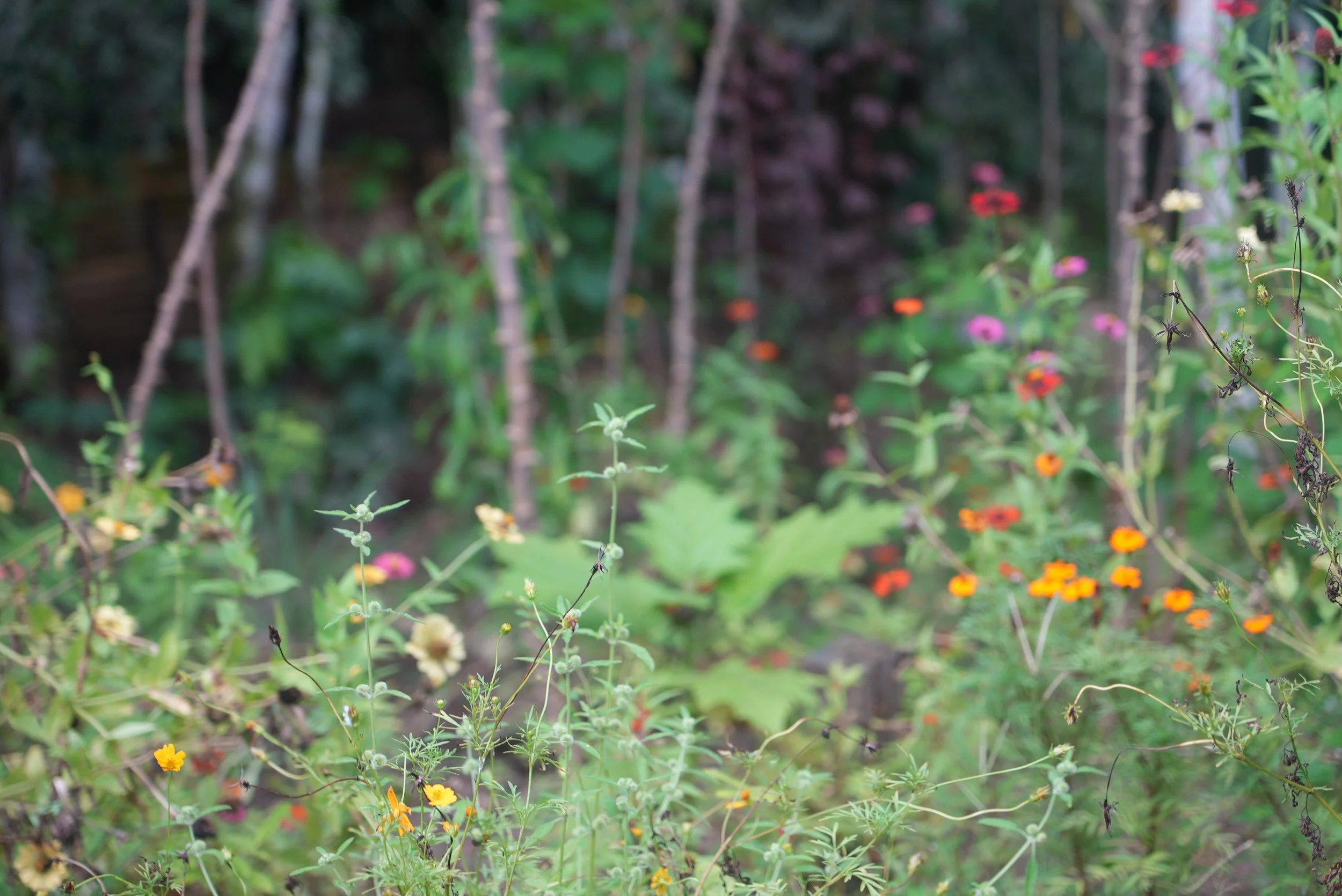
🌱 Ecosystem Regeneration
Native medicinal species contribute to:
Soil restoration and moisture retention
Microclimate stabilization
Pollinator support
Improved water infiltration
Long-term carbon sequestration potential
As climate patterns shift — with increased soil dryness, irregular rainfall, and pest pressures — restoration strategies must integrate both ancestral planting knowledge and adaptive resilience techniques. Communities receive training from ecological experts while grounding reforestation in traditional practices.
🩺 Community Health & Food Sovereignty
The gardens increase direct access to traditional medicine and nutritional plant species, strengthening territorial autonomy in healthcare and reducing dependence on external systems.
🐾 Wildlife & Biodiversity Support
Medicinal and native species also provide:
Fruits and forage for wildlife
Habitat complexity
Support for insects and pollinators
Regeneration of degraded patches within broader forest matrices
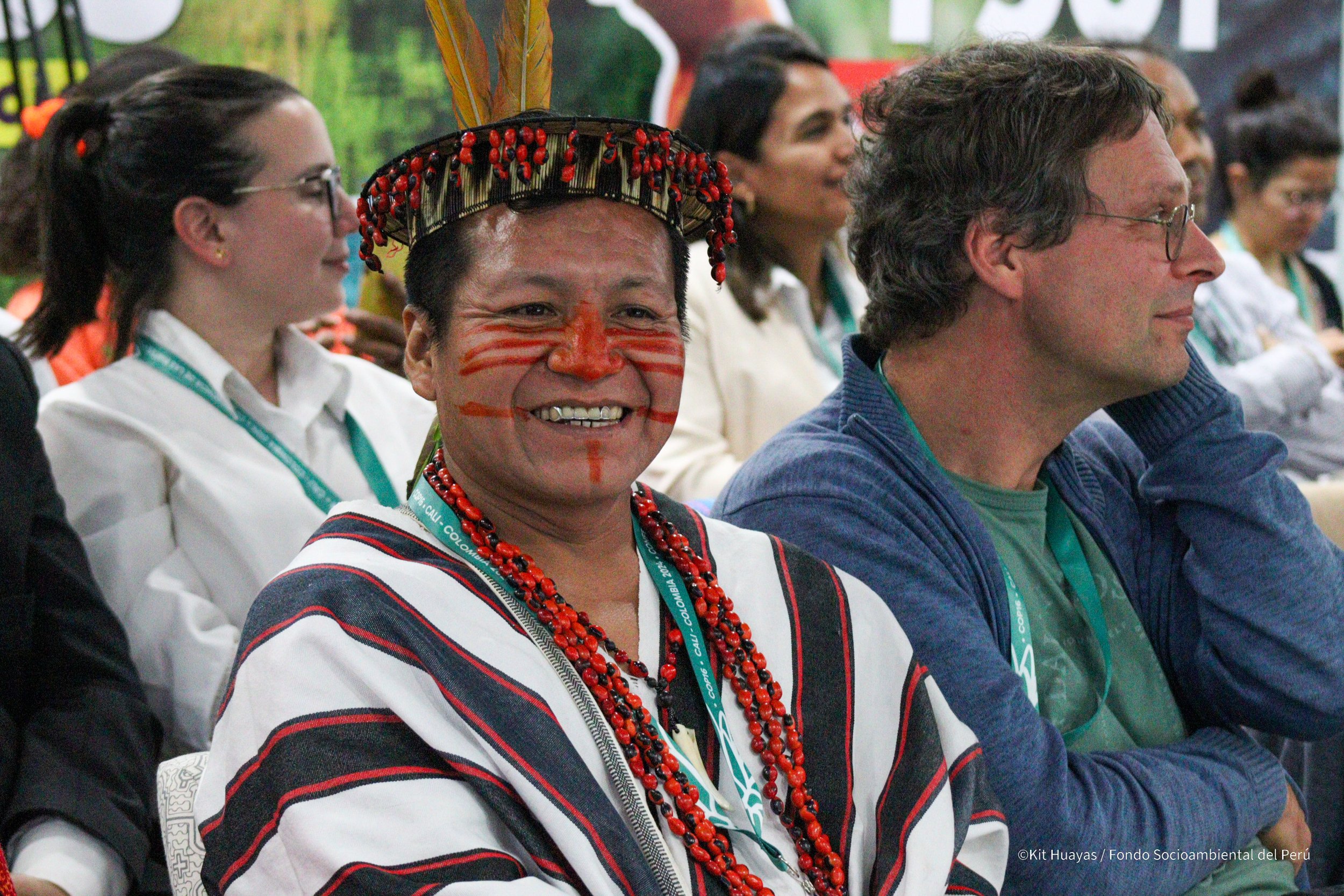
“Reforestation efforts must be guided by those who have safeguarded these ecosystems for generations. Our knowledge ensures the right species are planted in the right places, creating sustainable, self-sufficient forests”
Impact at a Glance (2025–Present)
✔ 4 Indigenous medicinal gardens established
• Loreto (Kukama territory)
• Ucayali (Shipibo territory)
• Cusco (Ashaninka territory)
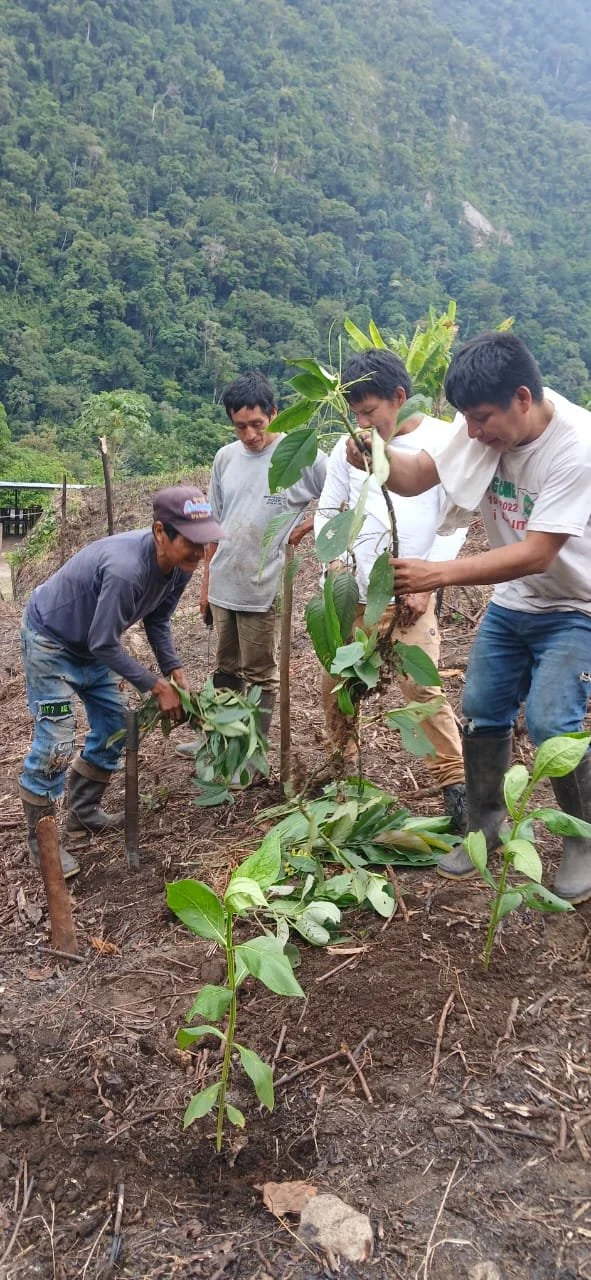
✔ 1 high-altitude cloud forest corridor restored
• Andean–Amazon transition zone
• Strengthening watershed protection and wildlife corridors
✔ ~7,000 native plants established (combined)
• ~1,000 seedlings in lowland
• 6,000 seedlings in montane
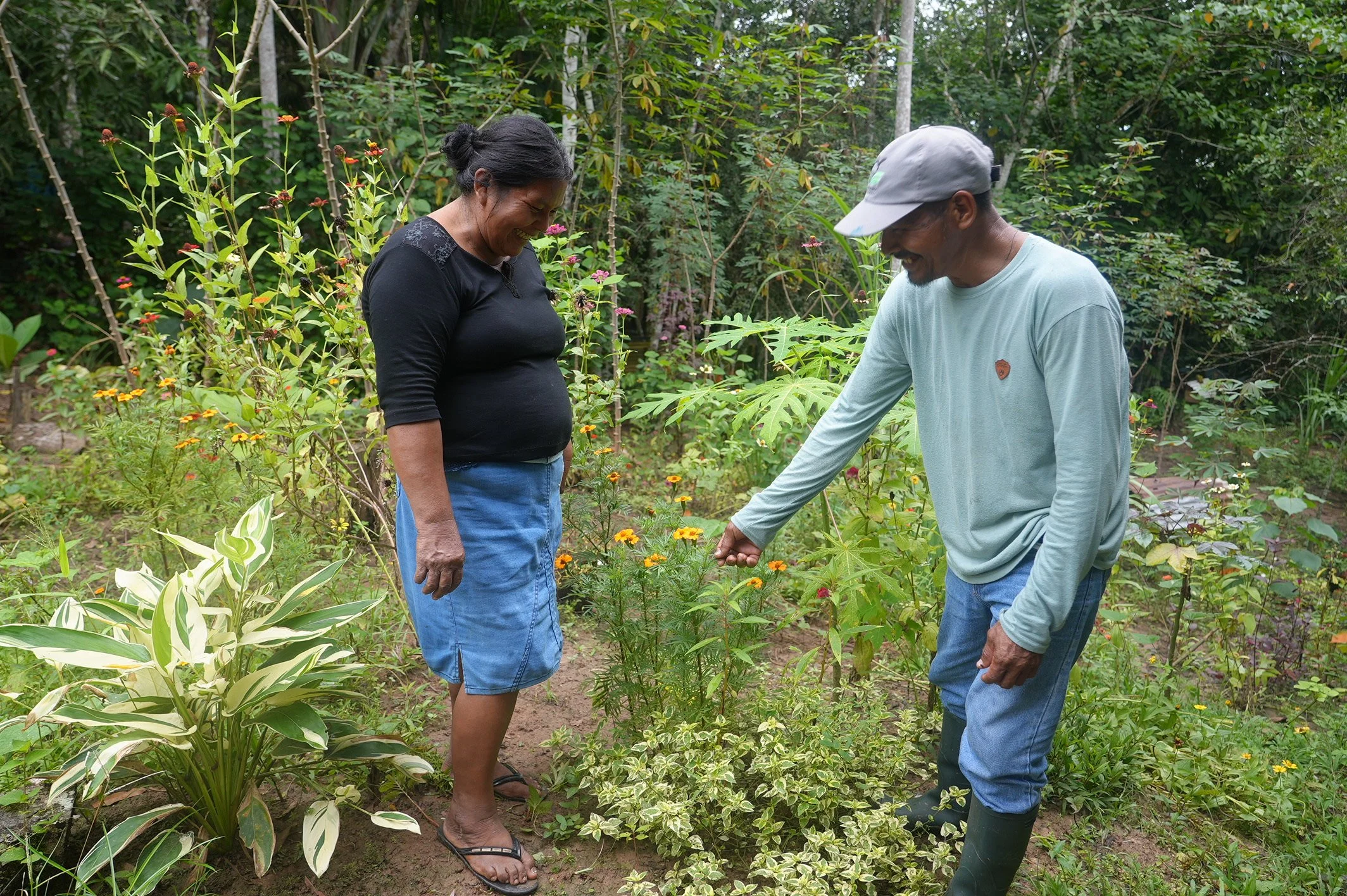
✔ 75+ medicinal species cultivated
✔ Approximately 10 hectares under regeneration (combined)
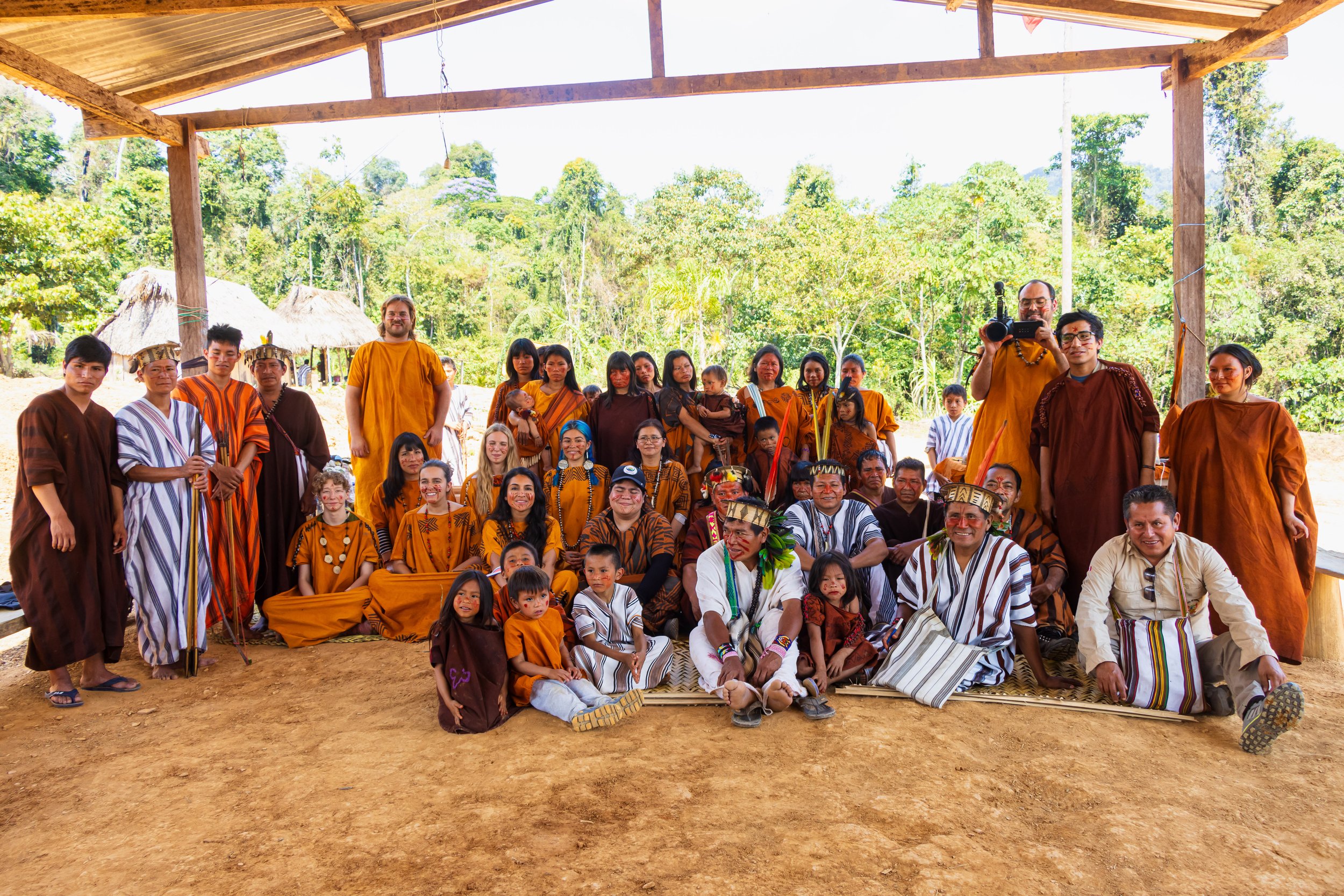
✔ 80 community members directly involved
• ~50% women
• Strong youth participation (~20+ youth engaged)
• Elders guiding species selection and knowledge transmission
Planting decisions are made collectively through intergenerational assemblies. Restoration is carried out in minga — communal work gatherings rooted in Andean-Amazonian traditions of reciprocity and collective stewardship.
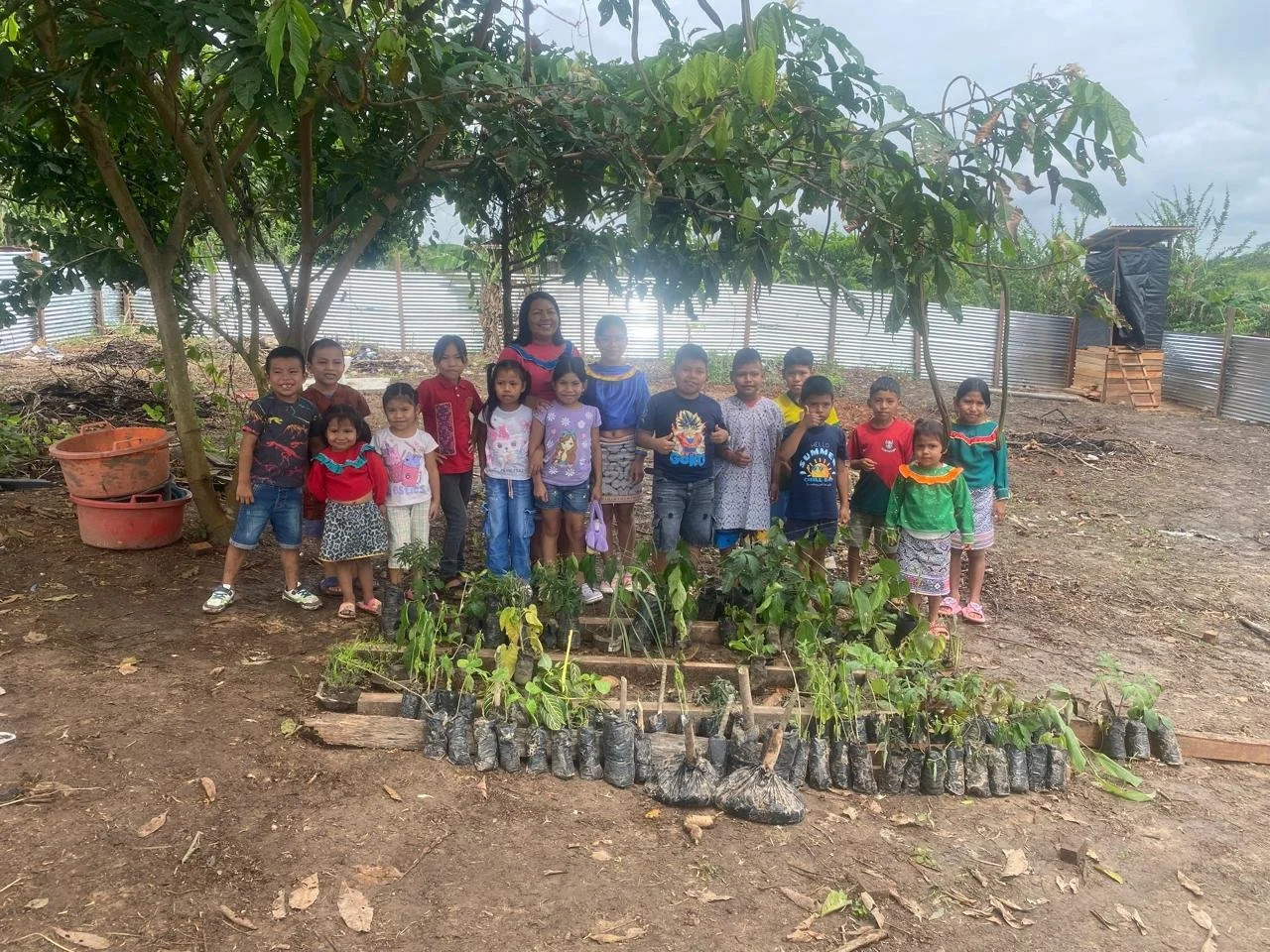
Children participate in seedling preparation. Youth document plant uses. Elders share medicinal knowledge. Restoration becomes education.
A Living System of Regeneration
Each garden functions as a living classroom. Elders guide species selection. Youth document plant knowledge. Children prepare seedlings. Restoration becomes intergenerational exchange in practice.
Communities also receive training in climate-resilient reforestation, responding to soil dryness, irregular rainfall, and emerging pest pressures. Traditional knowledge and adaptive ecological science are integrated side by side.
This work contributes directly to global biodiversity and climate commitments — including the Kunming–Montreal Global Biodiversity Framework — while advancing goals linked to health, climate resilience, and life on land.
In practice, this means:
Strengthening Indigenous governance over land and knowledge
Restoring degraded areas with native medicinal species
Building ecological resilience across elevation gradients
Creating long-term educational spaces within communities
Regeneration here is ecological, cultural, and educational at once.
“In the Kukama tradition, medicinal plants were cultivated with deep respect. They were not regarded merely as natural resources, but as living beings endowed with spirit and wisdom”
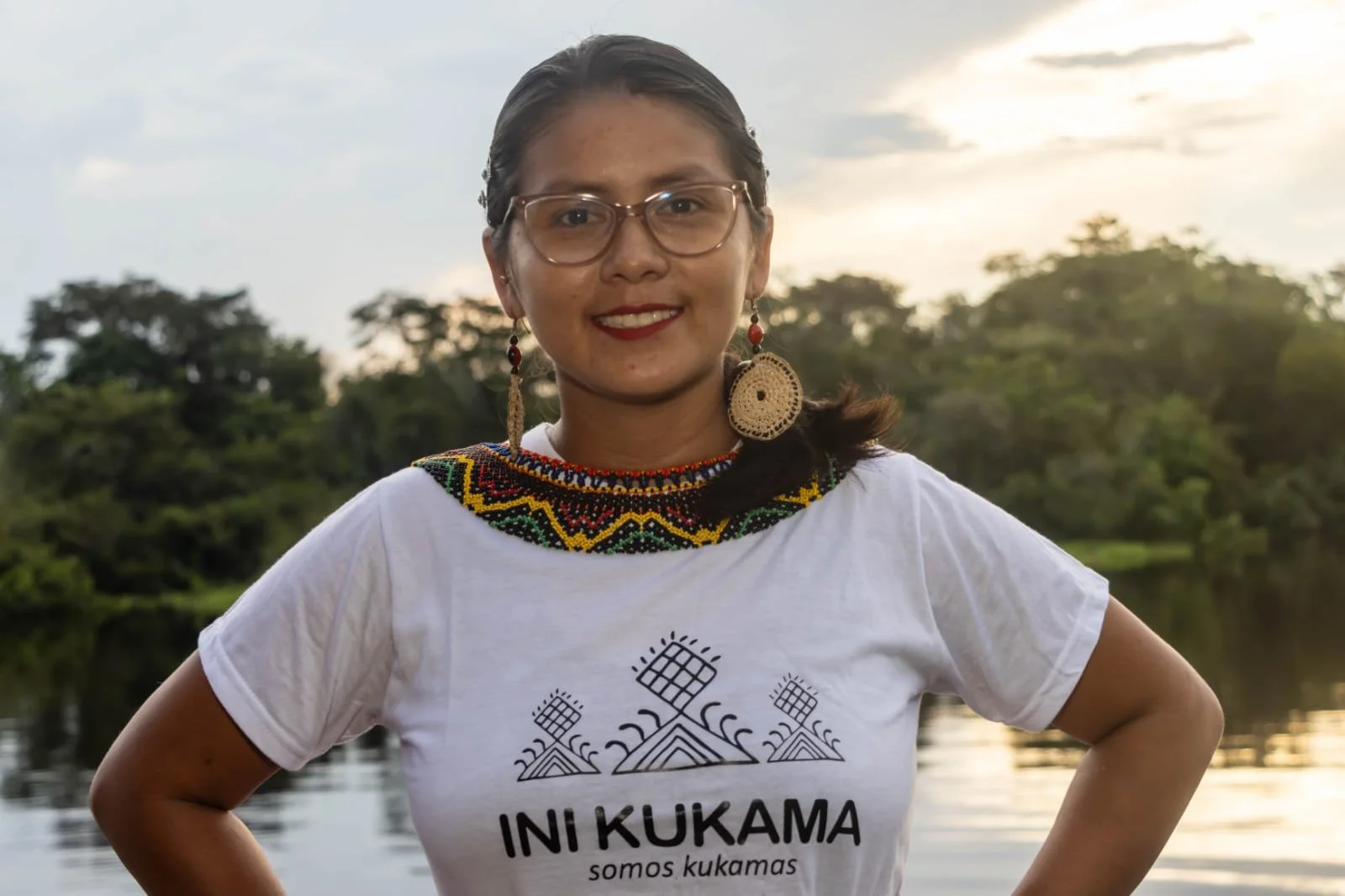
“The creation of medicinal gardens will allow us to recover ancestral knowledge, promote the care of nature, and offer the general public a living space to learn about traditional medicine, strengthening their identity and their connection to Mother Earth”
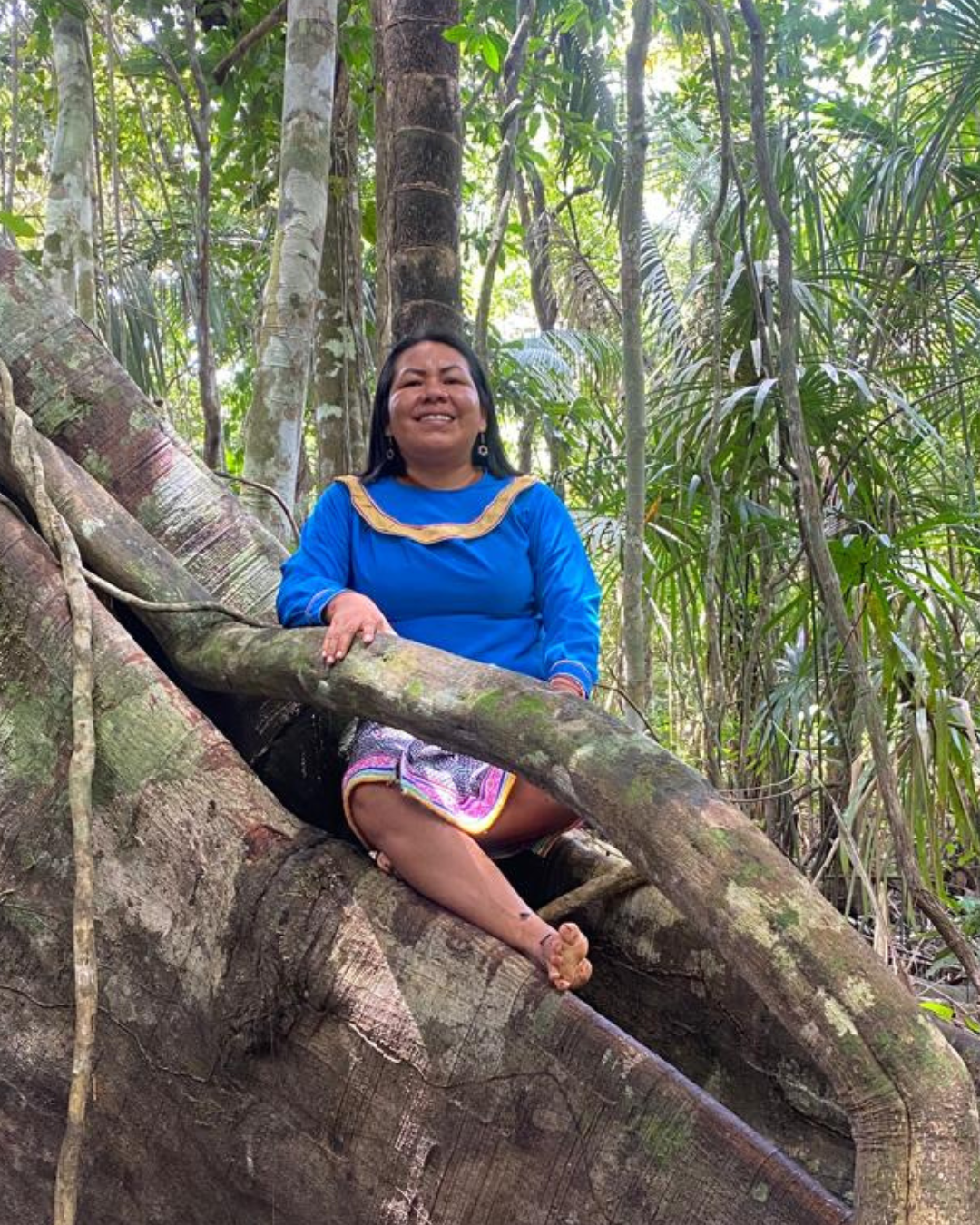
Looking Ahead: Knowledge, Science & Scale
Together with Indigenous youth and elders, we will begin co-leading scientific and cultural documentation of the species being restored — establishing ecological baselines and strengthening knowledge sovereignty.
Next steps include:
Indigenous-led biodiversity and restoration monitoring
Development of a multilingual medicinal plant encyclopedia (Kukama, Shipibo, Ashaninka)
Formalization of community research pathways
Strengthening intercultural exchanges between territories
Expansion into additional communities and ecological zones
The goal is clear: To ensure that restoration is not only planted — but studied, documented, owned, and led by the communities themselves.
Support & Partnerships
High-altitude cloud forest reforestation supported by On the Edge
Lowland medicinal gardens supported through private philanthropic contribution
We are deeply grateful for partners who believe in Indigenous-led ecological regeneration and long-term territorial resilience.