EDGE Species
Indigenous-Led Camera Trapping & Traditional Knowledge in the Amazon
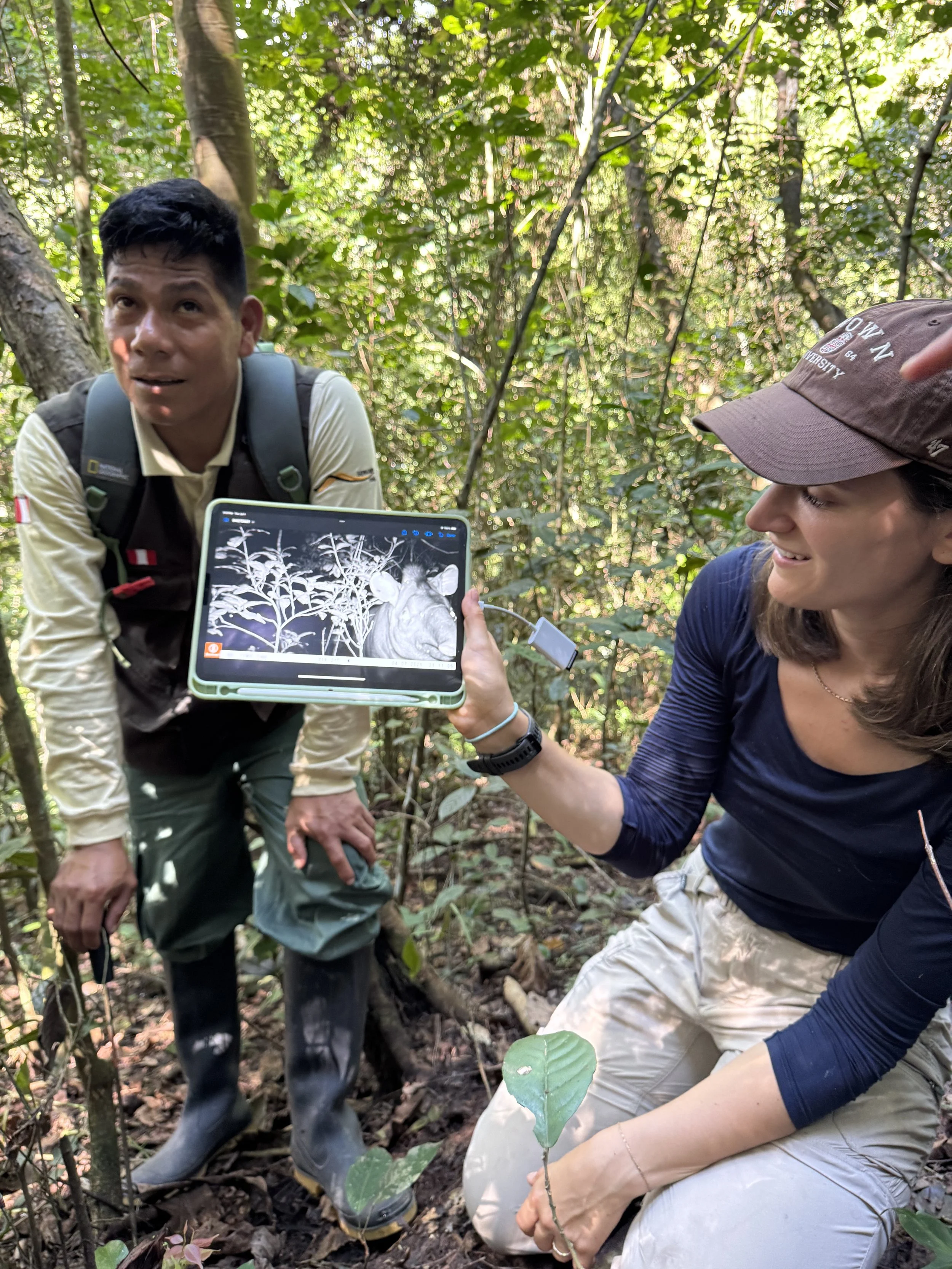
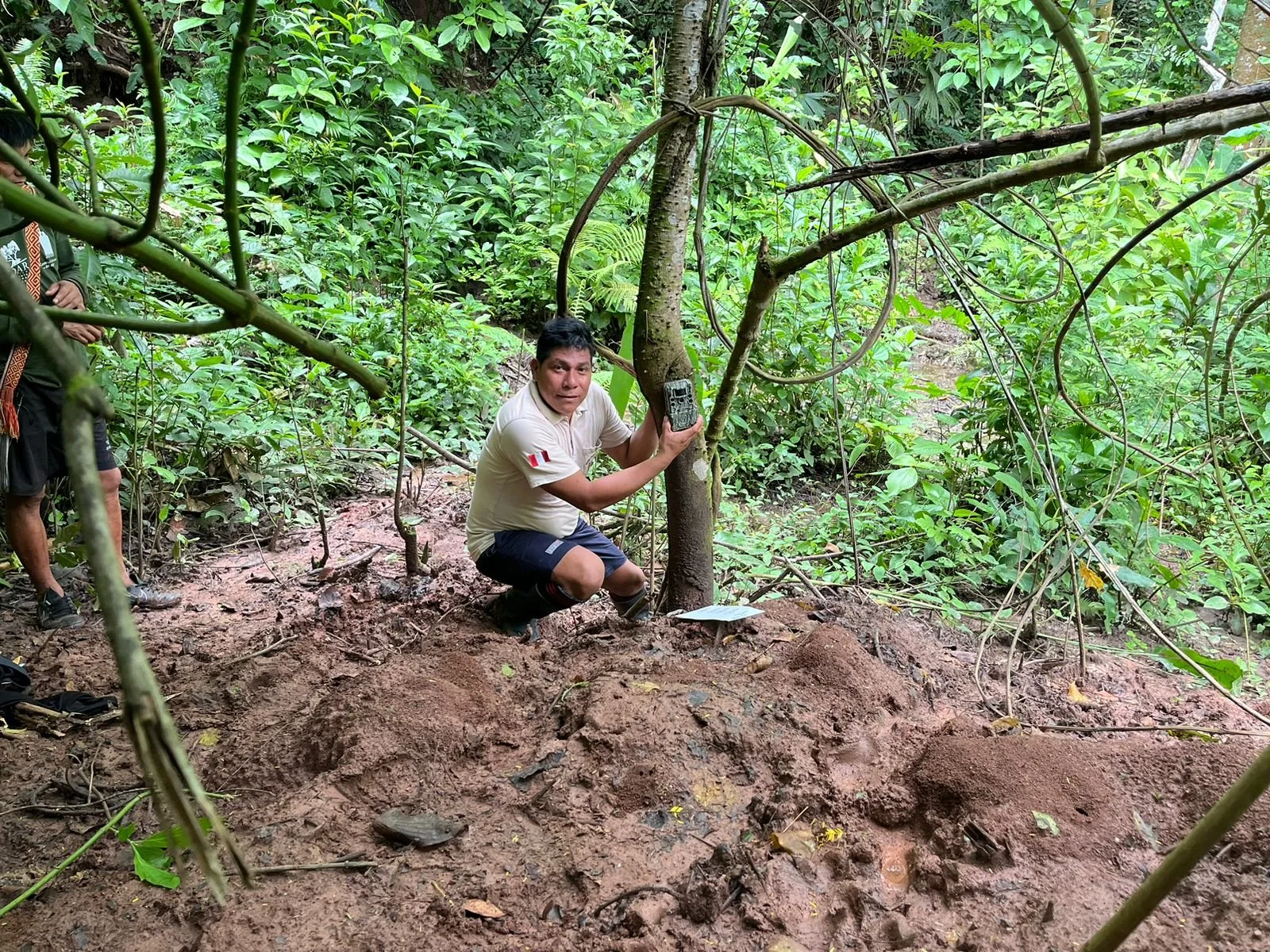
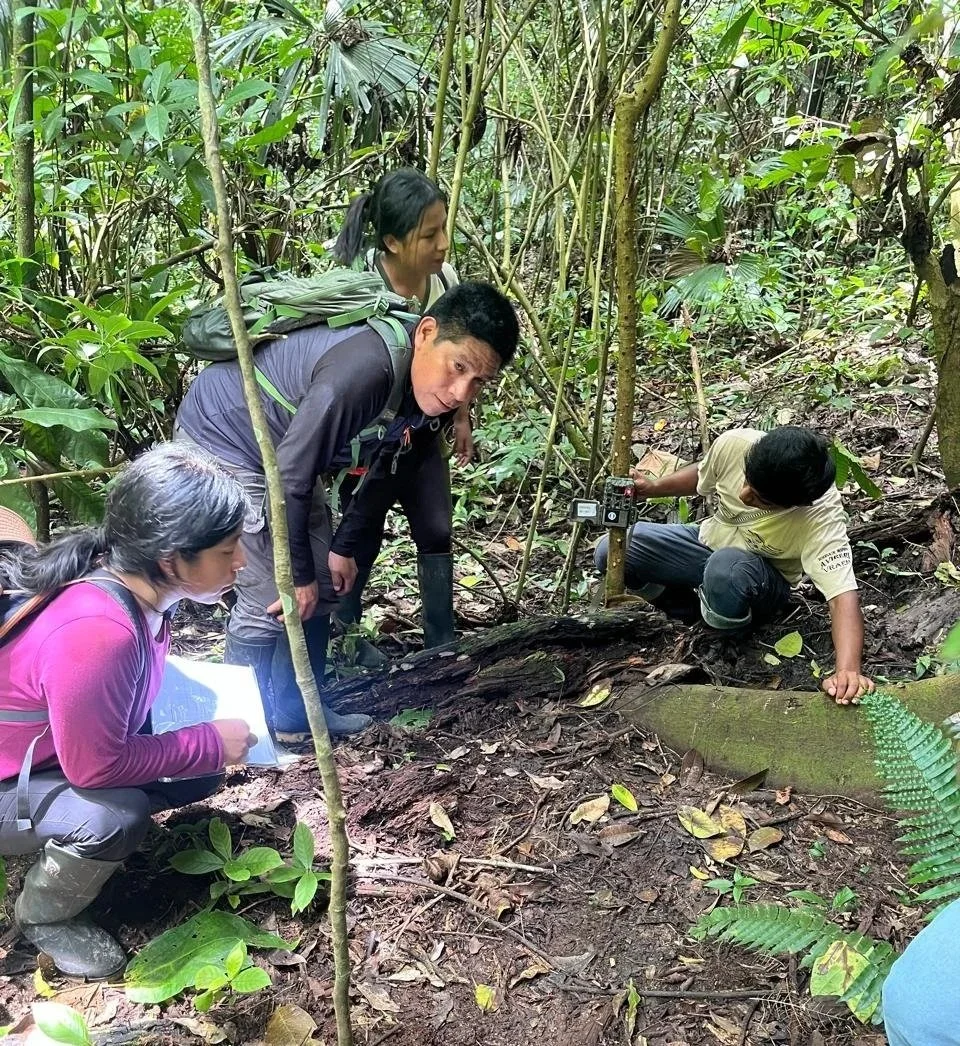
In the Reserva Comunal Ashaninka, located within the Biosphere Reserve of Avireri-Vraem in Peru, we are developing the first permanent camera trapping system of the reserve — led by Indigenous rangers and youth.
This program brings together Traditional Ecological Knowledge (TEK) and scientific technology to document and protect species at the ecological edge.
Why EDGE Species
The Amazon is experiencing rapid biodiversity decline driven by deforestation, road expansion, illegal logging, mining, and climate instability. Large mammals are among the most vulnerable due to habitat fragmentation and hunting pressure.
We focus on two priority species:
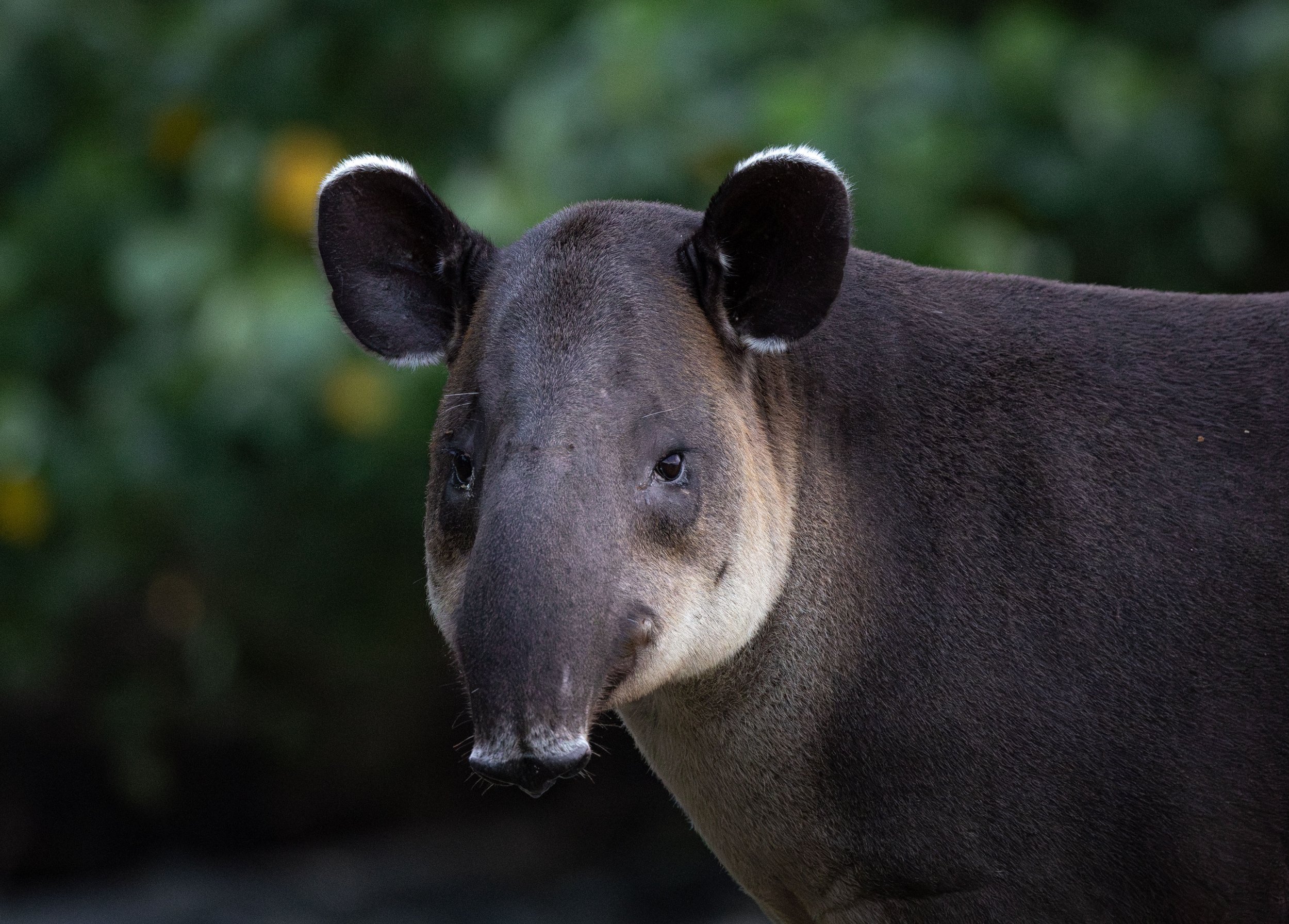
Lowland Tapir (Tapirus terrestris)
Classified as Vulnerable (IUCN Red List)
One of the largest terrestrial mammals in South America
A keystone seed disperser, capable of transporting large-seeded tree species across long distances
Critical to forest regeneration and carbon storage
Tapirs require extensive intact habitat. Their decline often signals ecosystem fragmentation.
Giant Armadillo (Priodontes maximus)
Classified as Vulnerable (IUCN Red List)
A rare, nocturnal species with low population density
An ecosystem engineer — its burrows provide refuge for over 70 other species
Highly sensitive to hunting and habitat disturbance
Both species sit at the ecological edge: slow-reproducing, habitat-dependent, and indicators of forest integrity.
Protecting them strengthens entire ecological networks.
Indigenous Knowledge Meets Technology
This initiative combines:
Indigenous tracking knowledge and species interpretation
Permanent camera trap networks
Spatial mapping and ecological analysis
Documentation of Traditional Ecological Knowledge
Scientific data generation for peer-reviewed research
Camera traps are not replacing traditional knowledge — they are enhancing it.
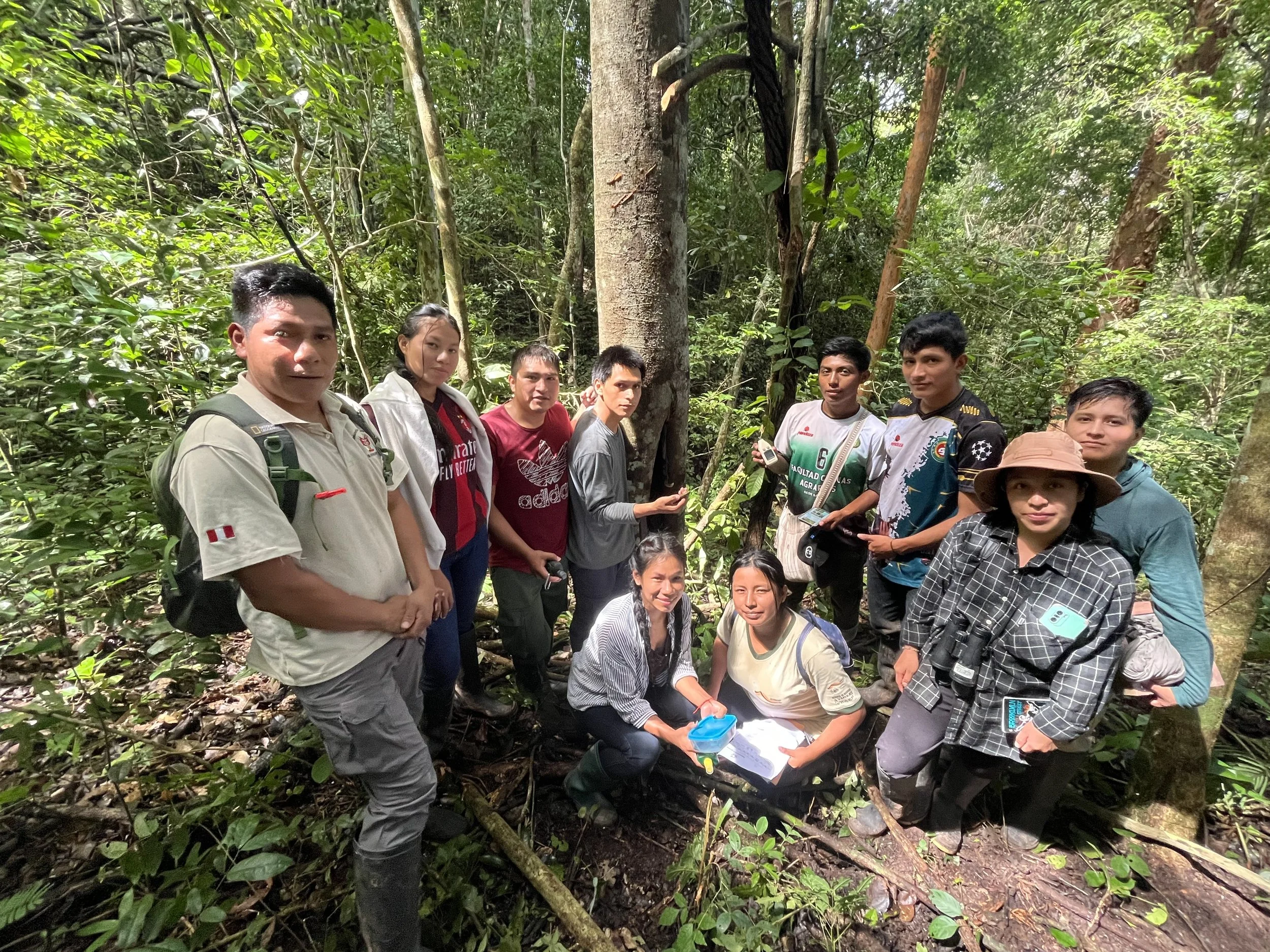
The programme is co-developed with the Reserva Comunal Ashaninka, with Indigenous youth and park rangers leading monitoring efforts on the ground.
Impact at a Glance (2025–Present)
✔ First permanent camera trap network established in the reserve
✔ 35+ species documented to date
✔ Confirmed presence of:
Tapir
Giant armadillo
Jaguar
Puma
Andean bear
Peccaries
Deer species
Smaller armadillos
Numerous bird species
✔ 12 Indigenous youth and park rangers trained in biodiversity monitoring
✔ 2 scientific papers currently in development
The data generated is helping create the first spatial understanding of species distribution within the reserve — identifying priority zones for protection and threat mitigation.
“Indigenous wisdom is fundamental to the success of any conservation initiative. We are working together to ensure that our traditions and knowledge are integrated into modern science.”

“These cameras will allow us to better understand the fauna of the reserve and develop effective strategies for their conservation”
Scientific & Policy Relevance
The data generated contributes to:
Peru’s National Biodiversity Strategy to 2030, which prioritizes species monitoring and ecosystem restoration
The Kunming–Montreal Global Biodiversity Framework (CBD), particularly Target 4 (halt species extinction) and Target 21 (strengthen Indigenous participation in biodiversity monitoring)
Biosphere Reserve mandates under the UNESCO Man and the Biosphere (MAB) Programme, which require integration of conservation, research, and community governance
By establishing the first permanent camera trap network in the reserve, the programme strengthens ecological baselines in a landscape where long-term wildlife monitoring has historically been limited.
Spatial mapping of tapir, giant armadillo, and other species is now informing:
Threat mitigation strategies
Habitat protection planning
Evidence-based conservation decisions
Indigenous-led biodiversity stewardship
The goal is not only to document wildlife — but to build territorial capacity for long-term ecological monitoring and protection.
The Jaguar is the largest feline in the Americas and a key predator that helps maintain the balance of Amazonian ecosystems.
Looking Ahead
Next steps include:
Expanding camera trap coverage across additional zones
Deepening documentation of Traditional Ecological Knowledge on tapir and giant armadillo
Publishing scientific findings
Developing conservation action plans informed by both science and Indigenous governance
Scaling the model to other reserves and biosphere territories
This programme establishes a long-term biodiversity intelligence system rooted in territory.
Where science and Indigenous knowledge do not compete — they collaborate
The Andean Bear is the only bear in South America and a key species for the regeneration of Andean–Amazonian forests.
Support and Partnerships
We thank On the Edge for their critical support to start this project.
Press

The Tapir is one of the largest terrestrial mammals in the Amazon and an important seed disperser that helps regenerate the forest.
Science in Progress
Beyond documentation, this work contributes to broader ecological inquiry.
In collaboration with Dr. Elodie Freymann, the project is expanding toward zoolopharmacognosy research — investigating how animals may use medicinal plants within these ecosystems.
This opens a new frontier linking:
Wildlife ecology
Indigenous plant knowledge
Behavioral science
Biocultural conservation