
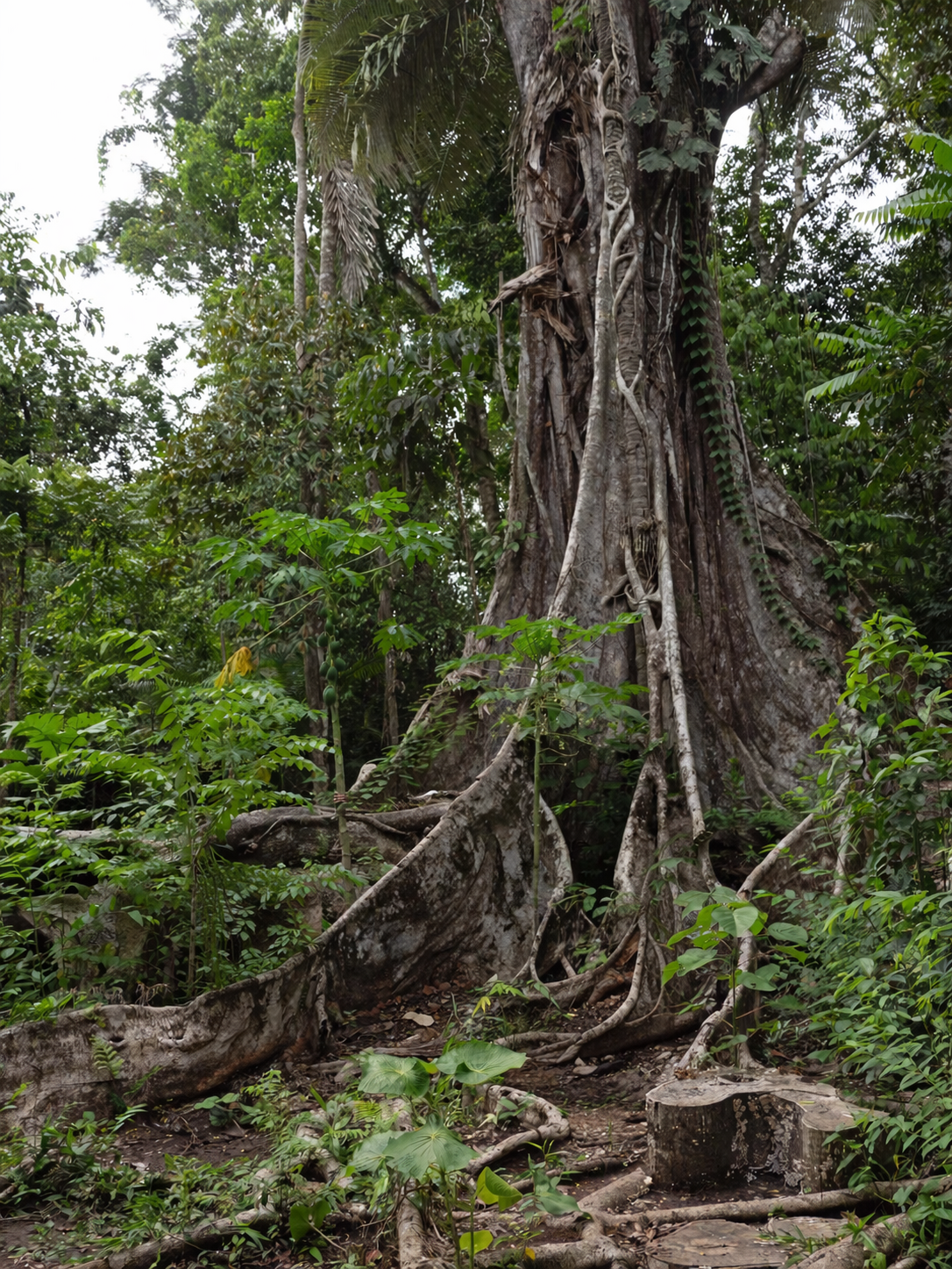
Adopt a medicinal tree
Contribute to the conservation of native species and support Indigenous communities that safeguard the ancestral wisdom of the Amazon.
It is not just a tree; it is life, medicine, and ancestral knowledge
Indigenous communities of the Amazon have used plants for thousands of years to care for health, keeping their traditional medicine alive. For many peoples, plants have a spirit and are part of a deep relationship with nature.
Native medicinal trees sustain the life of the forest: they feed stingless bees, maintain ecosystems, and store carbon. Today, many of these species are at risk due to deforestation, putting both biodiversity and ancestral knowledge in danger.
By adopting a medicinal tree, you become a guardian of the forest and help protect the life, climate, and wisdom that keep the Amazon alive.
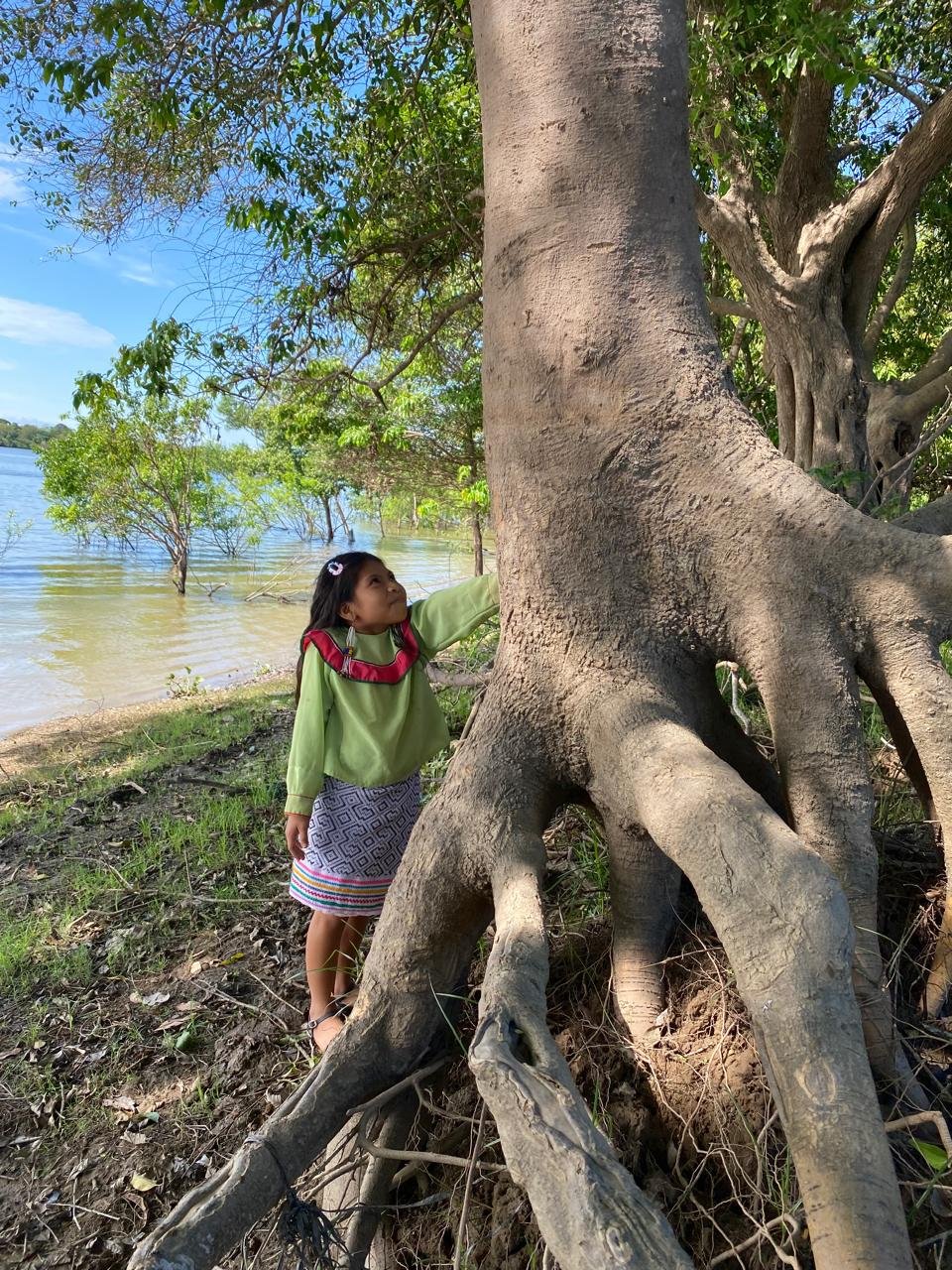
By protecting a medicinal tree, we keep the ancestral wisdom of the Amazon alive
ENVIRONMENTAL
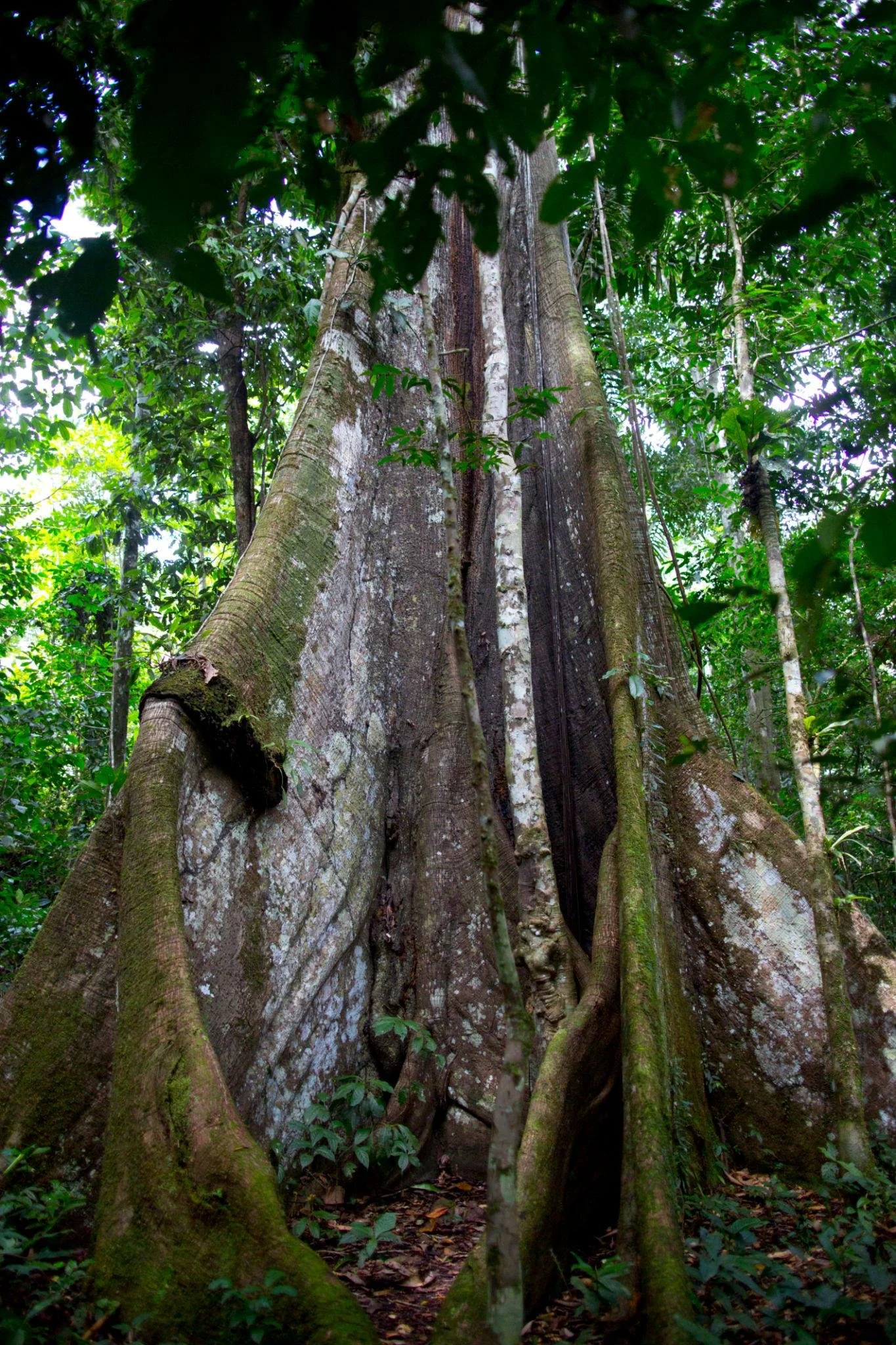
Medicinal trees are pillars of the Amazonian ecosystem. They preserve biodiversity, host multiple species of flora and fauna, and contribute to regulating the climate and the forest’s natural cycles.
Why is it important to protect a medicinal tree?
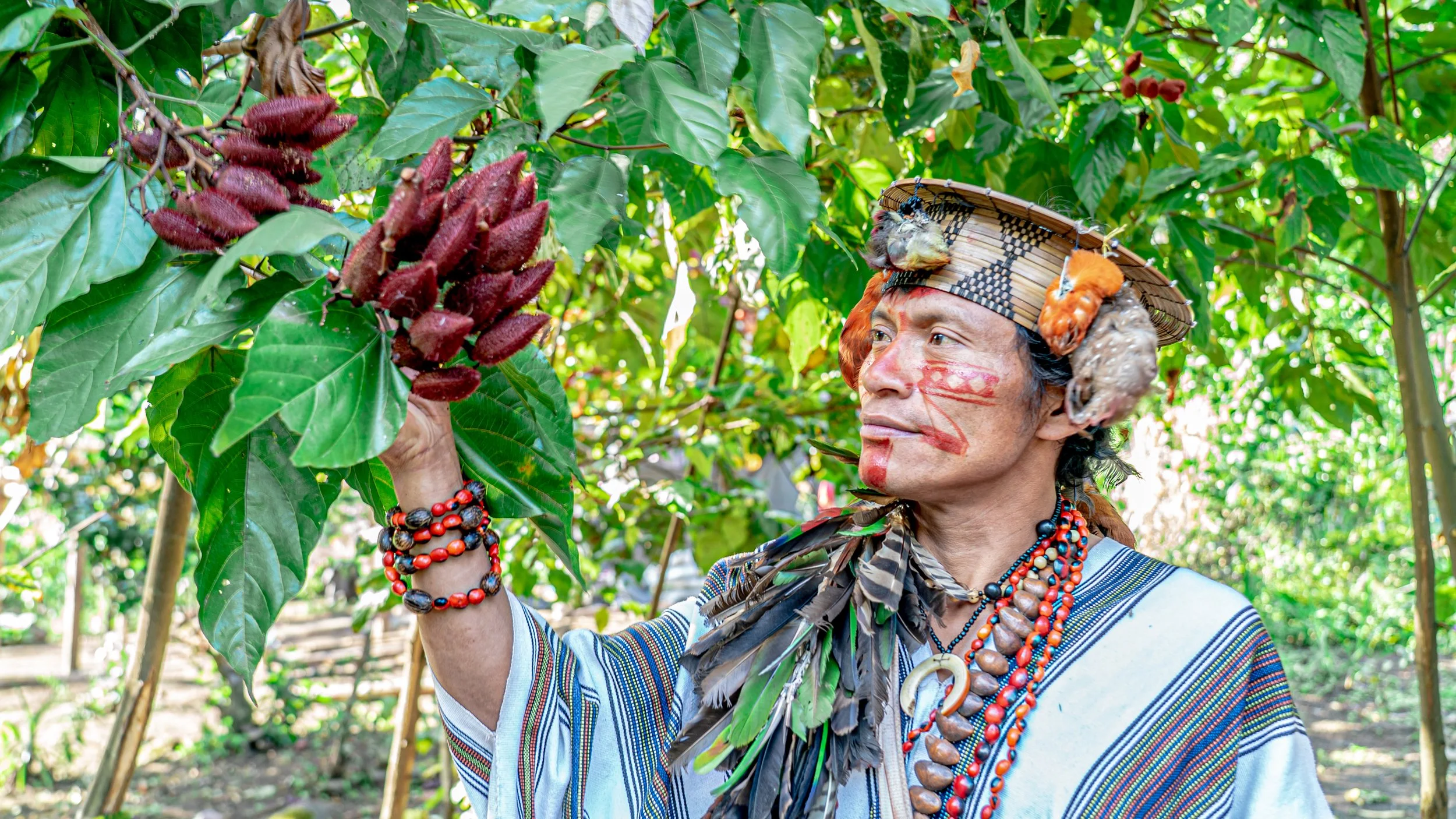
CULTURAL
They carry ancestral wisdom. For generations, Amazonian communities have passed down knowledge about their uses, meanings, and care, keeping alive a deep relationship between nature and culture.
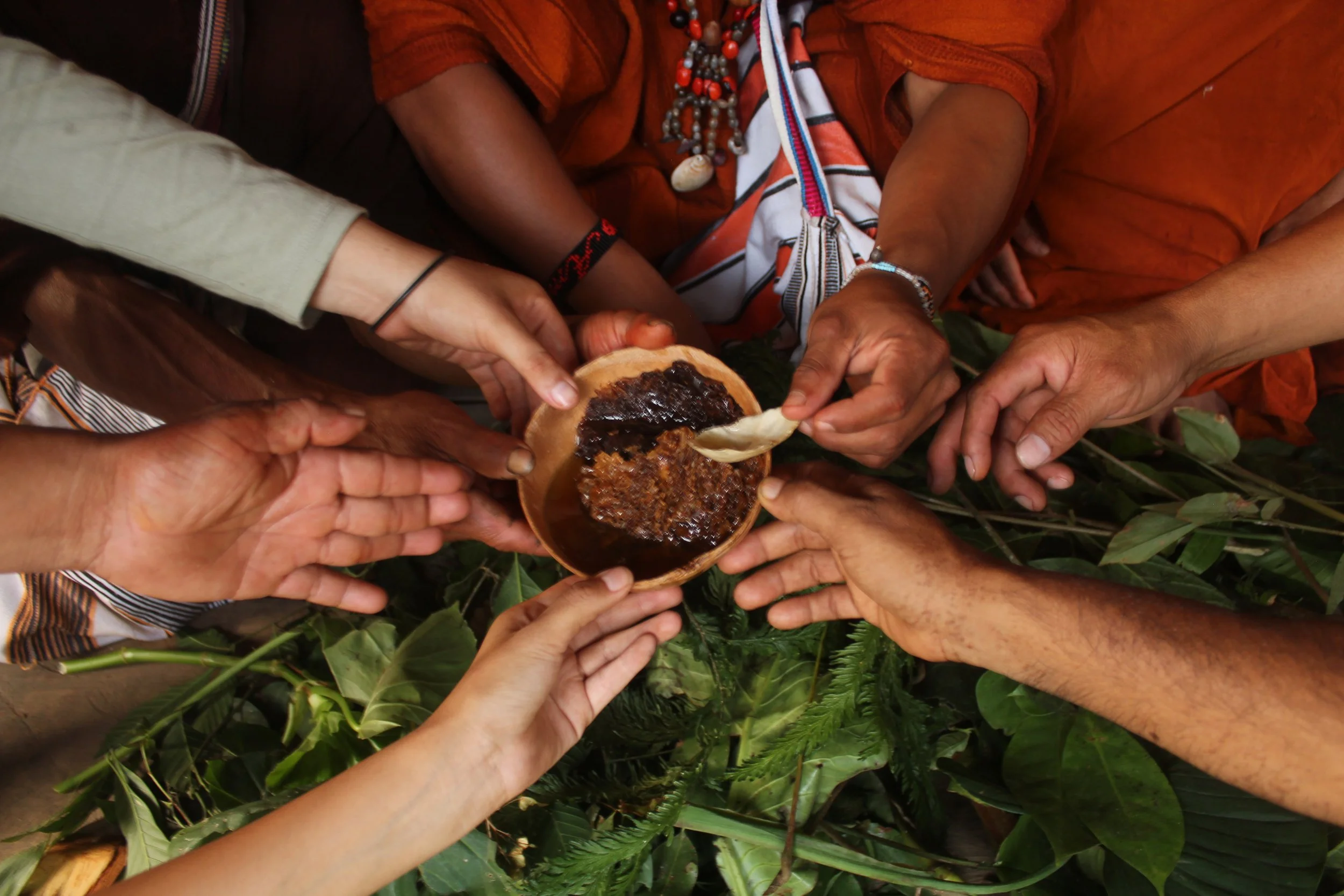
Health
They are the foundation of Amazonian traditional medicine. From their leaves, bark, and resins, natural remedies are obtained that have been used for centuries to prevent and treat various illnesses.
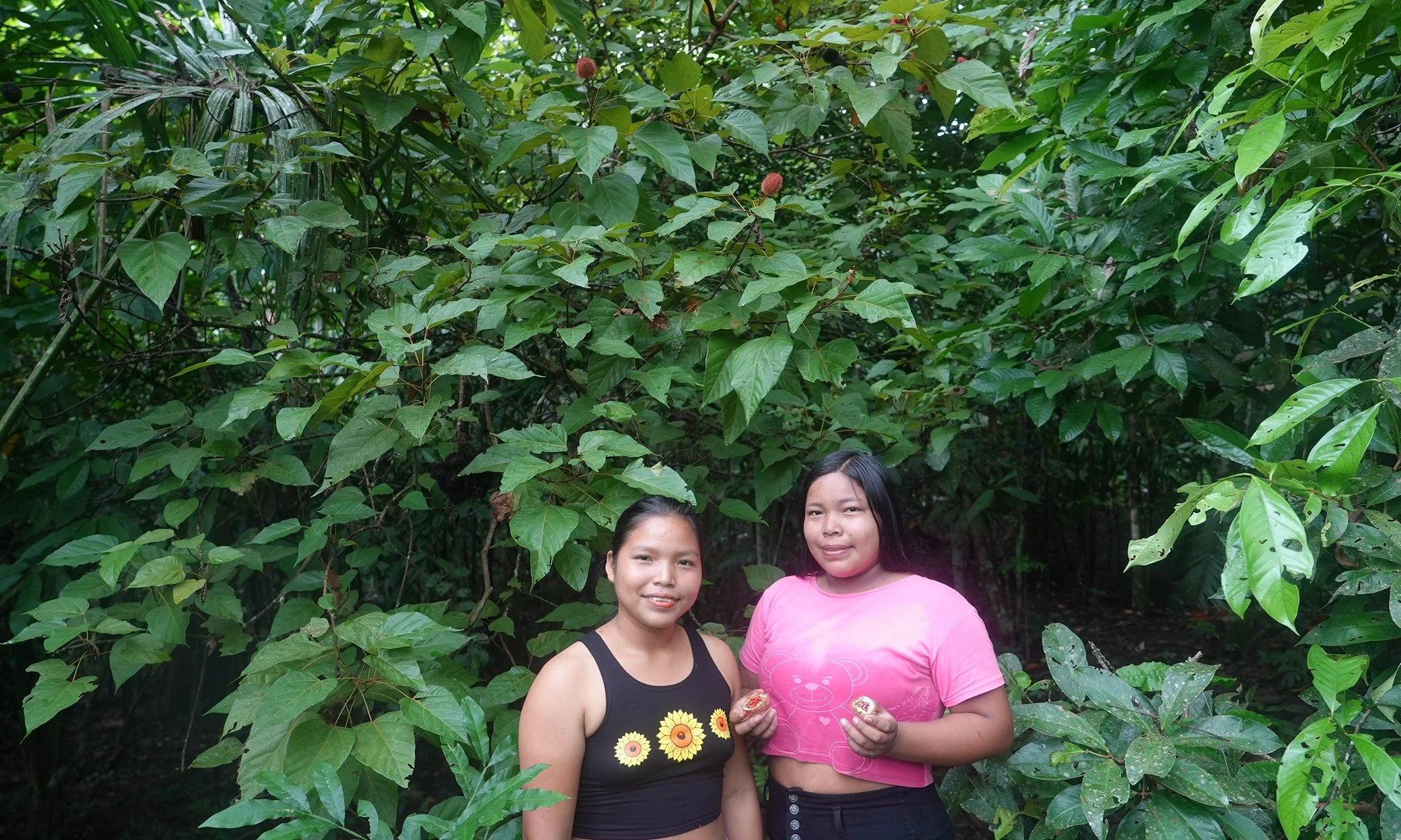
Adopt a medicinal tree
By adopting a medicinal tree, you are directly contributing to the protection of species that have been ancestrally used by Indigenous communities for health care.
Choose the medicinal tree species you wish to protect.
Sangre de grado
The forest’s doctor: its red sap is an incredible natural healer. It is used to treat wounds, relieve ulcers, and support the digestive system. It’s like having a living first-aid kit in the Amazon.
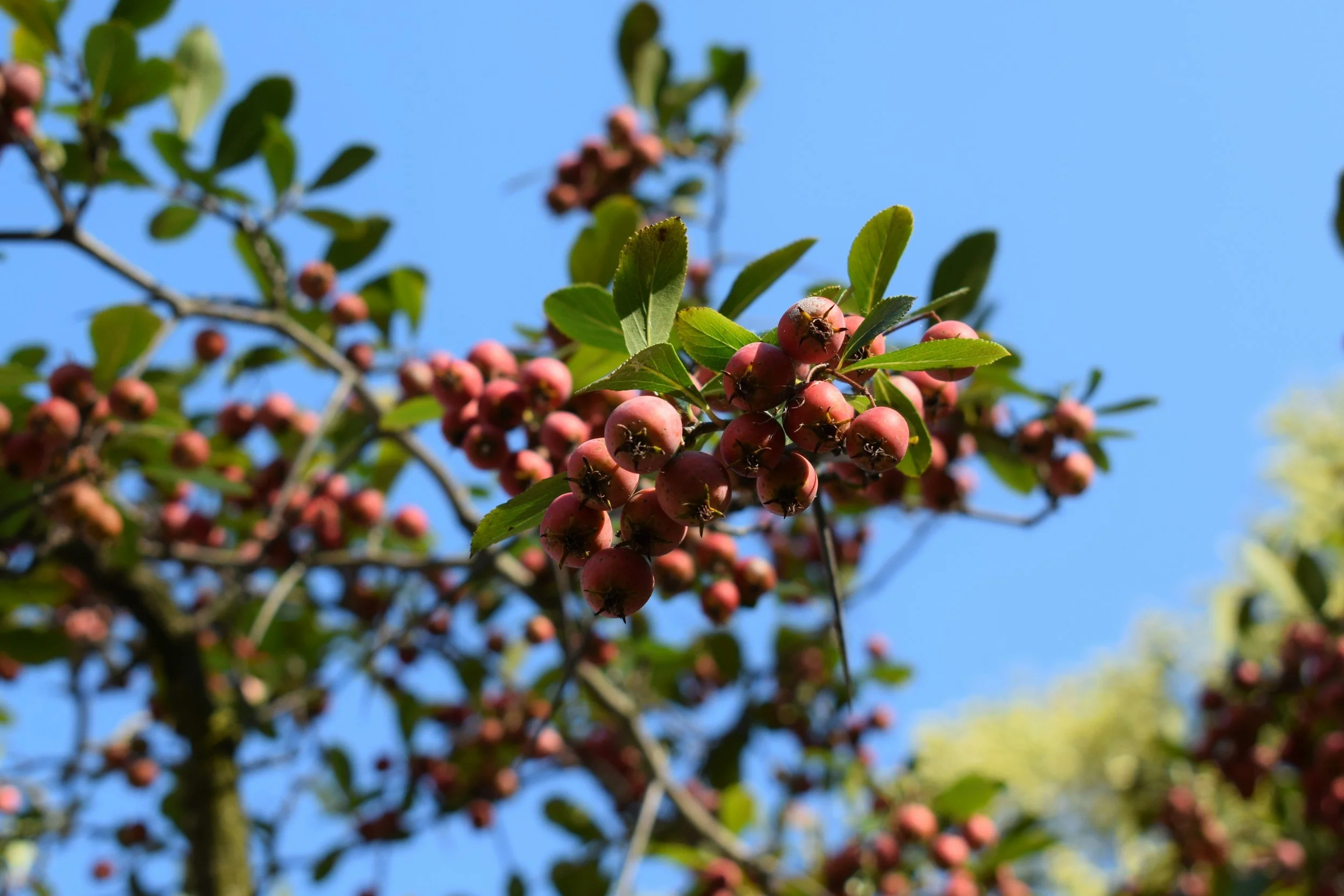
Camu Camu
The forest’s vitamin: packed with vitamin C, it strengthens the immune system and helps protect the body against disease. An essential ally for life.
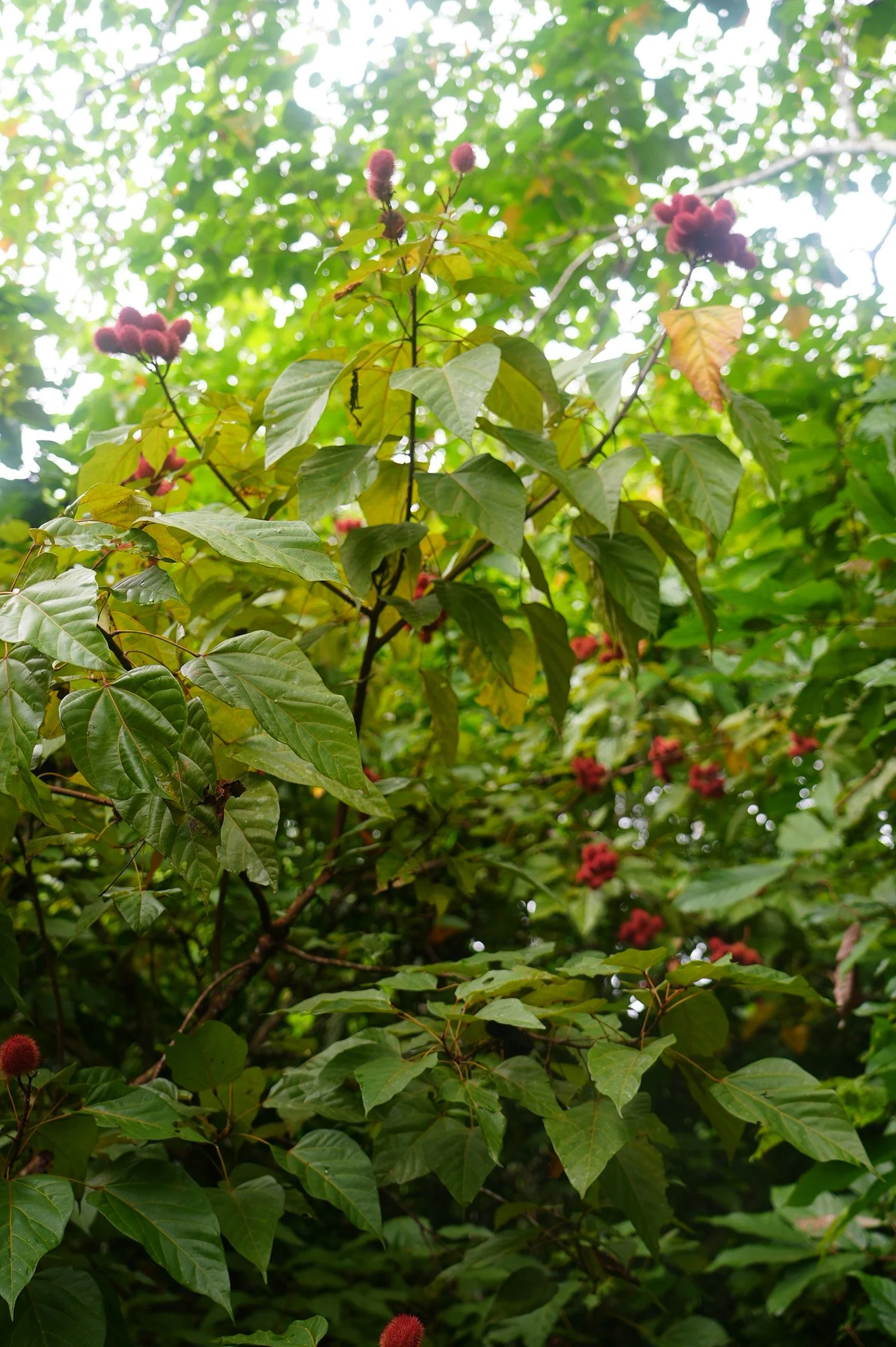
Achiote
The natural protector: beyond its vibrant color, its seeds and leaves help soothe inflammation, care for the skin, and support digestion. Beauty and well-being in a single plant.
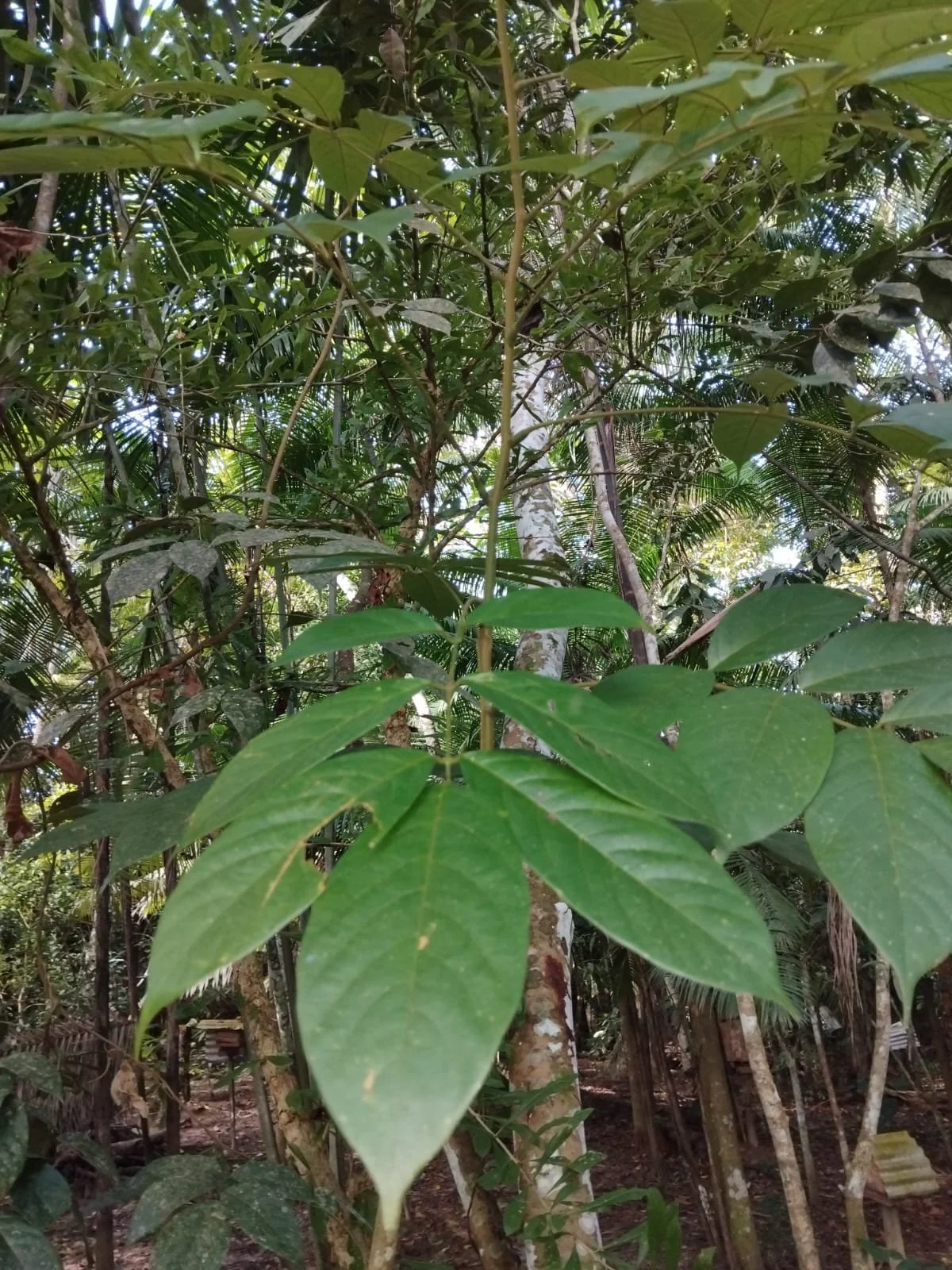
Barbasco
The silent guardian: known for its potency, in proper doses it is used as a natural antiparasitic and to treat skin conditions. Strong, effective, and ancestral.
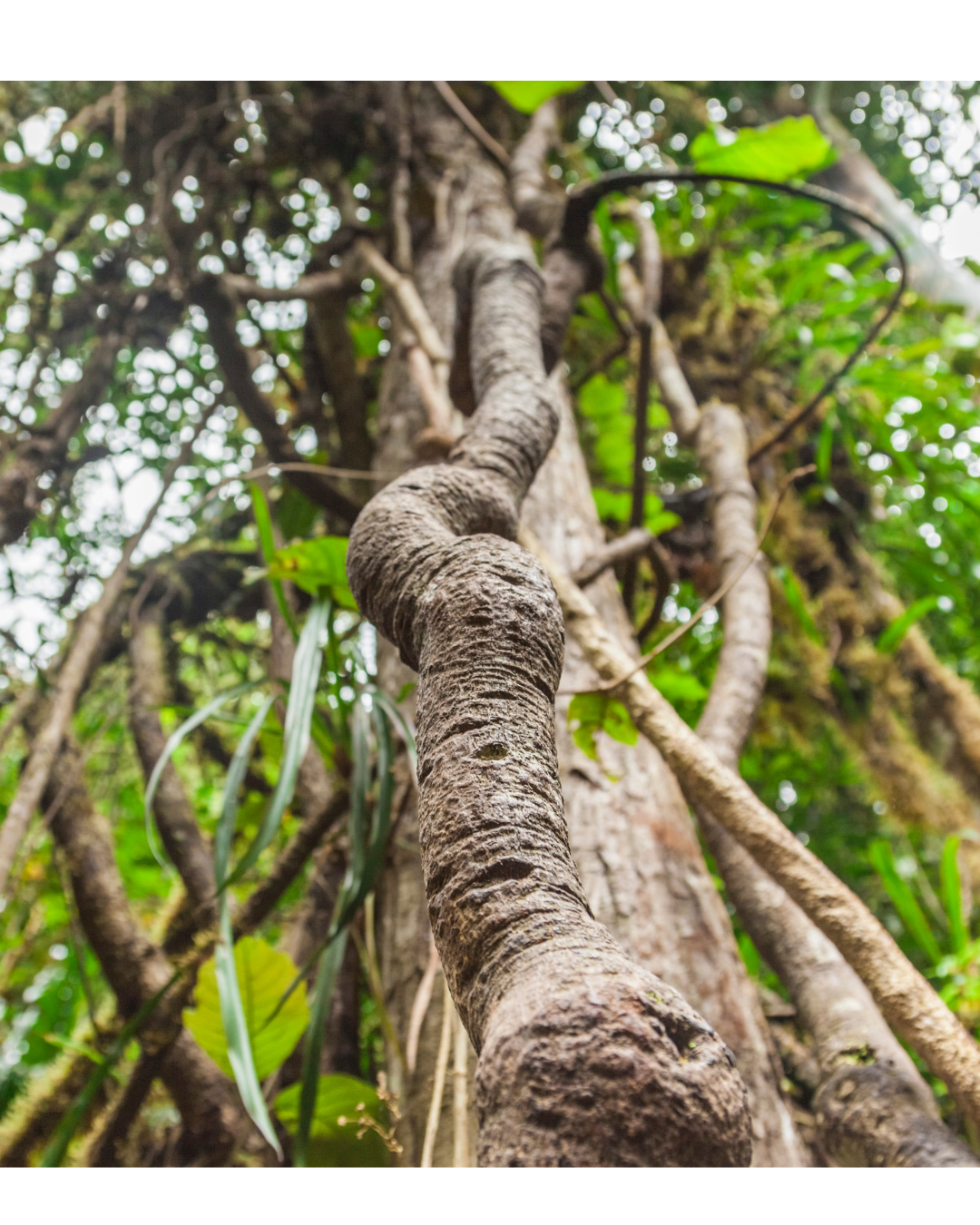
Ayahuasca
The ancestral guide: one of the most sacred plants of the Amazon. Traditionally used for spiritual healing, it helps foster balance, clarity, and deep connection.
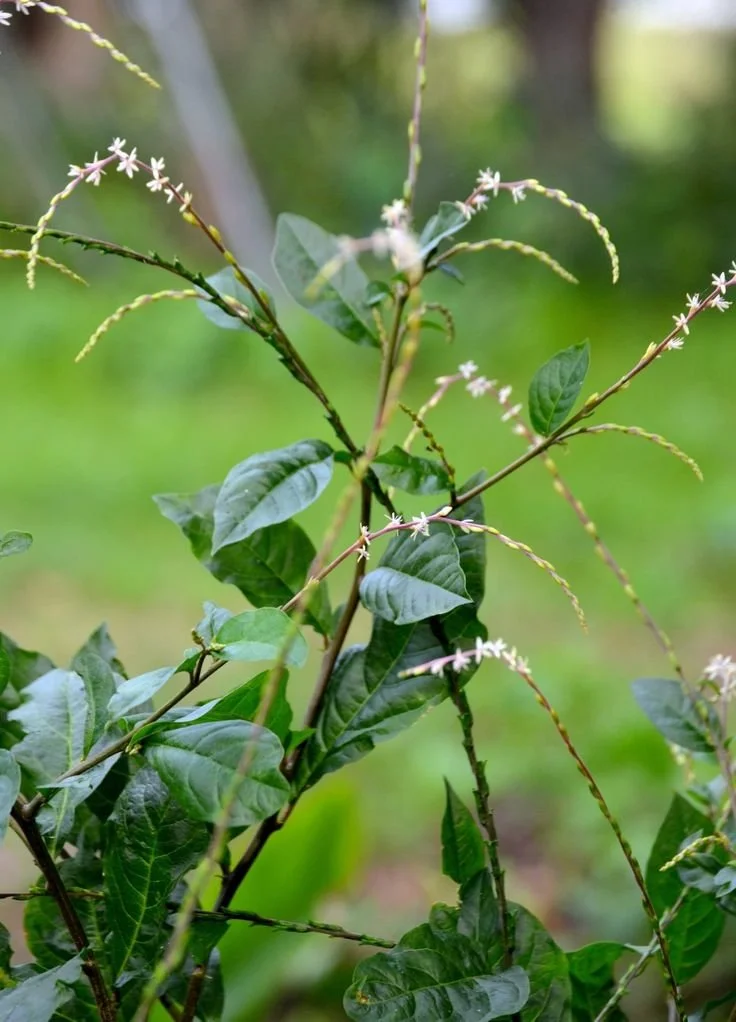
Mucura
The energetic protector: used to strengthen the body, relieve pain, and support against infections. In Amazonian tradition, it is also recognized for its power to cleanse and protect.
What does it mean to adopt?
Adopting a medicinal tree is a direct contribution to its conservation, monitoring, and protection in its natural environment.
This adoption is symbolic. It does not imply ownership of a specific tree, but rather active support for forest restoration and care processes.
Your contribution enables Indigenous communities to continue protecting these species, preserving both biodiversity and the knowledge that sustains them.
You are not buying a tree. You are ensuring it continues to exist.
What are the benefits of adoption?
A personalized digital certificate with your name or a name of your choice if you wish to gift this meaningful action.
Information about the native tree species you have adopted.
The story of the community that protects these native trees.
Photos and updates about the adopted tree.
Frequently Asked Questions About Adopting Your medicinal tree
-
It means directly contributing to the protection and conservation of an Amazonian tree, while supporting Indigenous communities that care for it and preserve its ecological, medicinal, and cultural value.
-
Yes. You do not acquire ownership of the tree, but your contribution has a real impact on its conservation, the forest’s biodiversity, and the well-being of the communities that protect it.
-
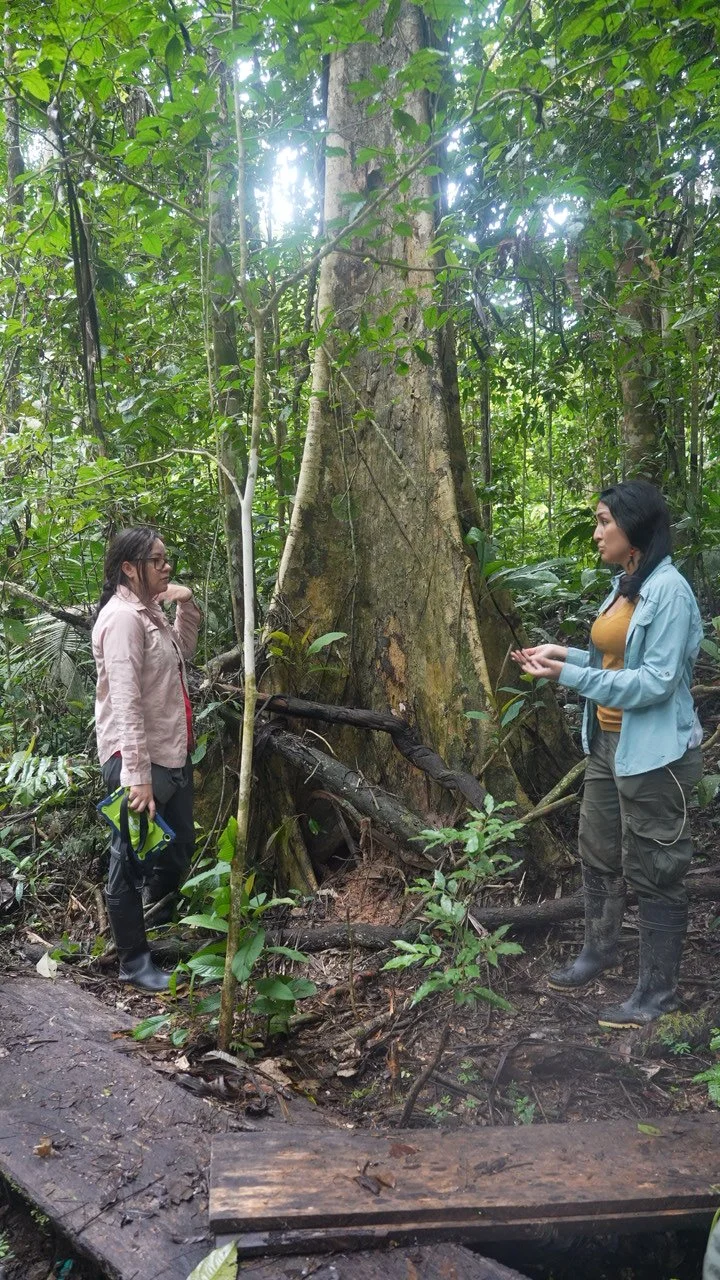
Medicinal trees are located in the buffer zone of the Pacaya Samiria Reserve, in territories protected by Kukama Kukamiria families from the community of San Francisco, in the district of Nauta, Loreto Region.
-
The trees are cared for by Indigenous families who combine ancestral knowledge with conservation practices, ensuring their protection and sustainable use.
-
You will receive a personalized digital certificate, information about the adopted species, the story of the community that protects it, and periodic updates with photos or videos.
-
All information will be sent by email, including your certificate and updates about your tree.
-
Yes. You can gift an adoption to a friend or family member. You will receive a personalized certificate with the name of the person you choose.